
An Empire Is Proclaimed in a Conquered Palace
German union shifted the balance of Europe while the place and terms of victory bound national achievement to a defeated neighbour’s humiliation.
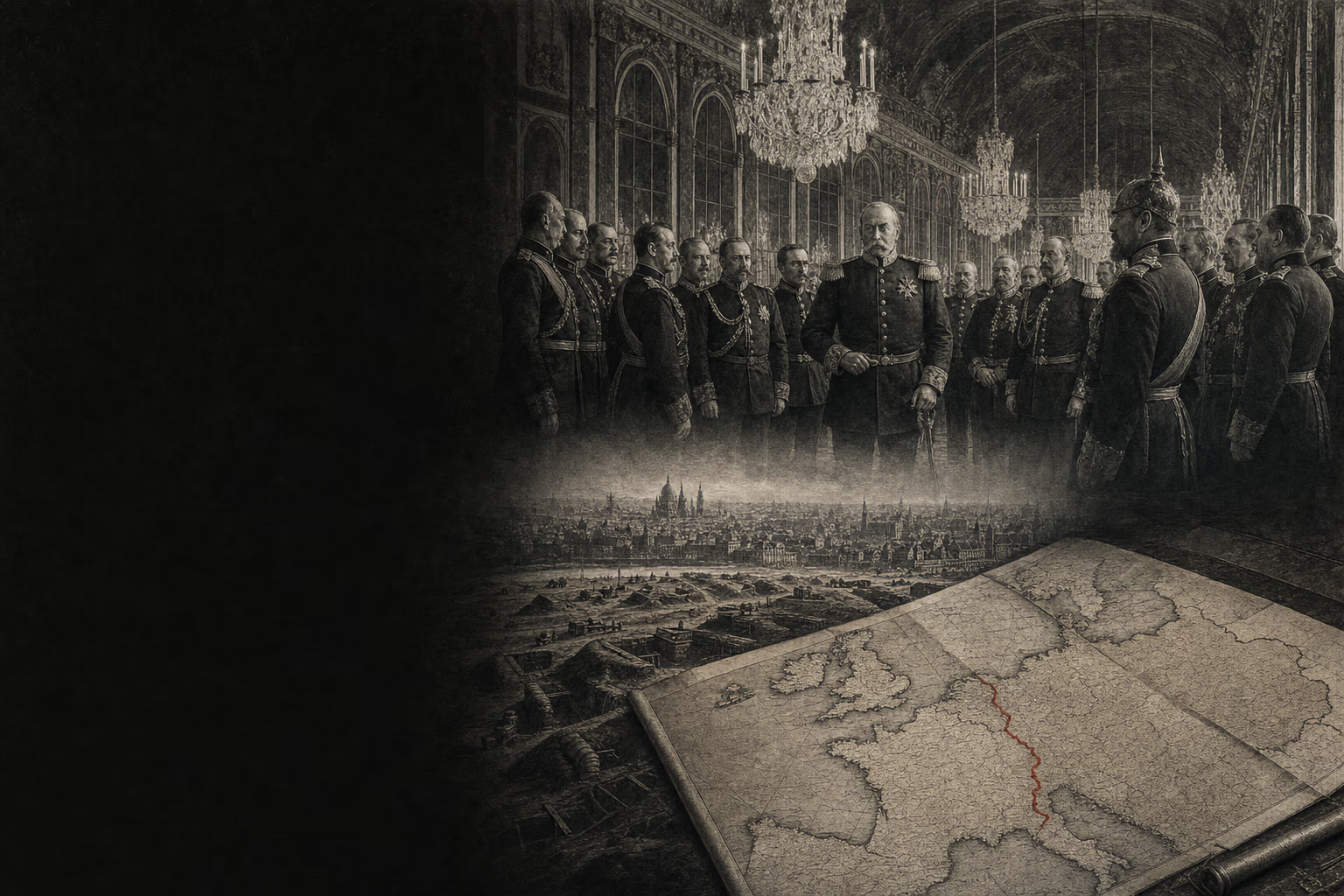
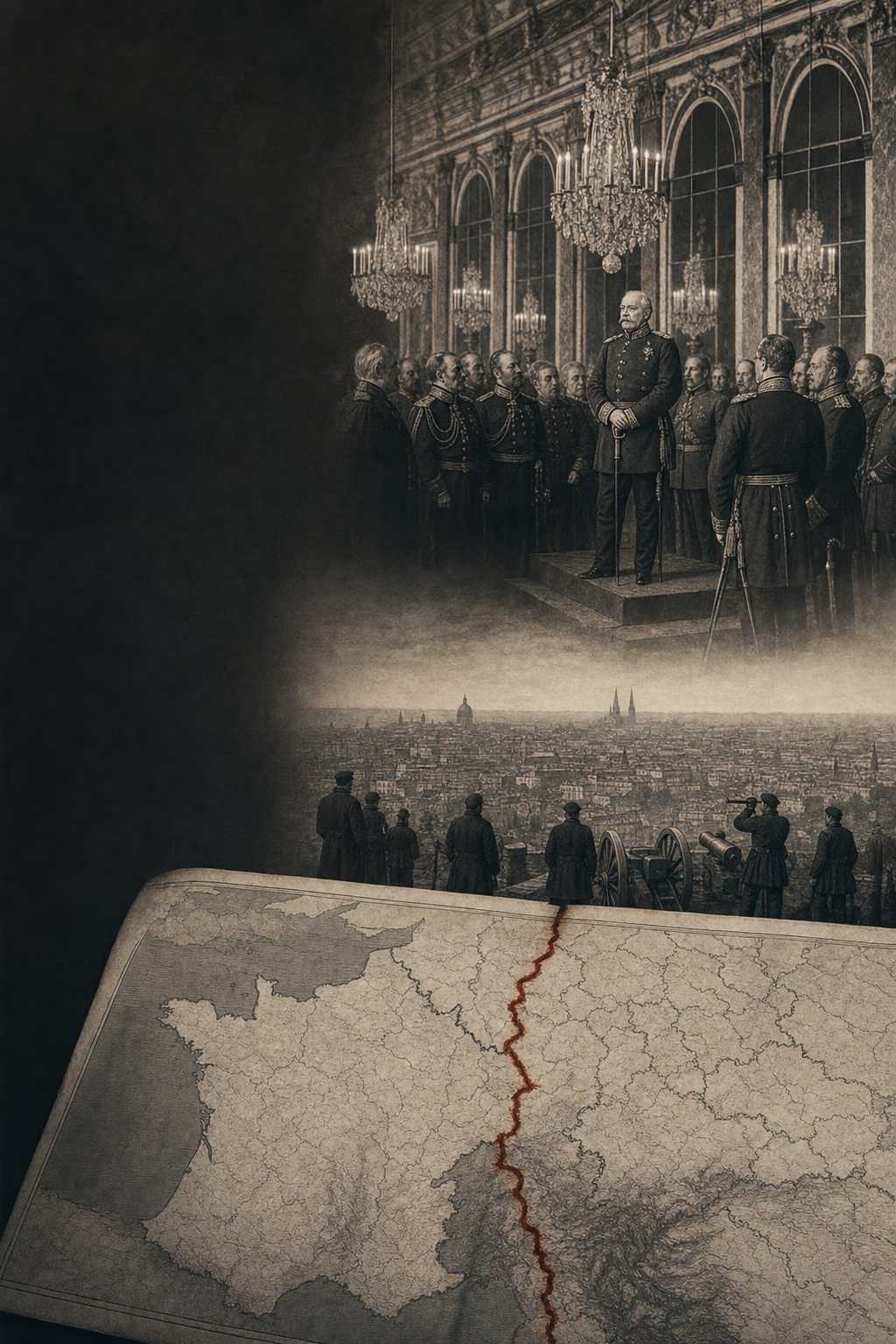
On 18 January 1871, uniforms filled the Hall of Mirrors while Paris endured siege beyond the horizon. German princes acclaimed Wilhelm I of Prussia as German emperor beneath paintings of Louis XIV’s victories. The new Reich joined Prussia’s army, the North German constitution and the resources of the southern kingdoms in the centre of Europe. German national union was a formidable political achievement. Its proclamation inside a conquered French palace made the achievement inseparable from war in the memory of both states.
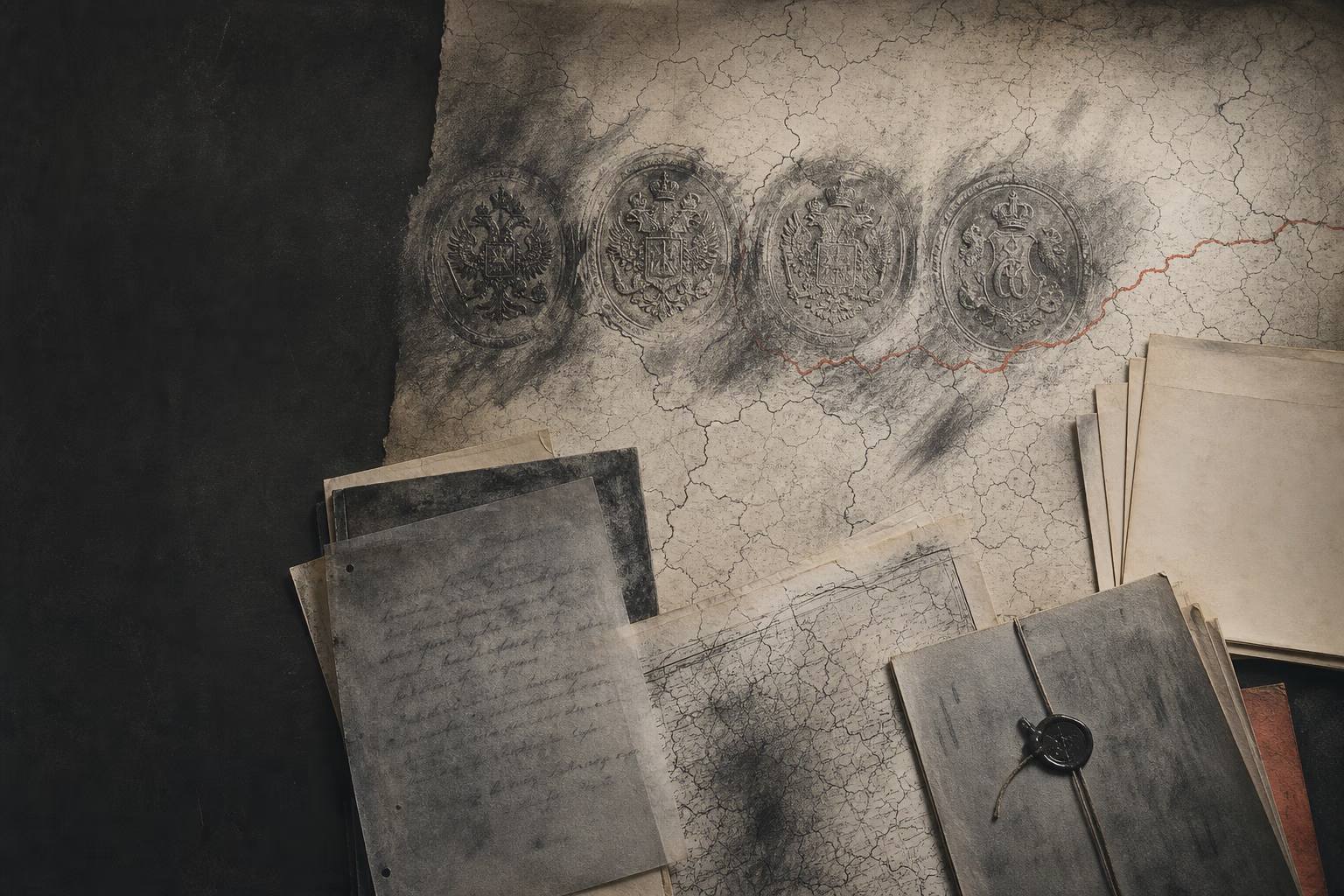
The settlement transferred Alsace and part of Lorraine to Germany and imposed a vast indemnity on France. Bismarck then worked to preserve the new order through alliances, restraint and the diplomatic isolation of France. The balance held for decades, though its centre had moved. France rebuilt its army and republic; Germany industrialised at extraordinary speed; Austria-Hungary and Russia faced national questions within multinational empires. Every great power governed citizens at home and imperial subjects abroad, carrying rival conceptions of nation, hierarchy and belonging inside the same European system.
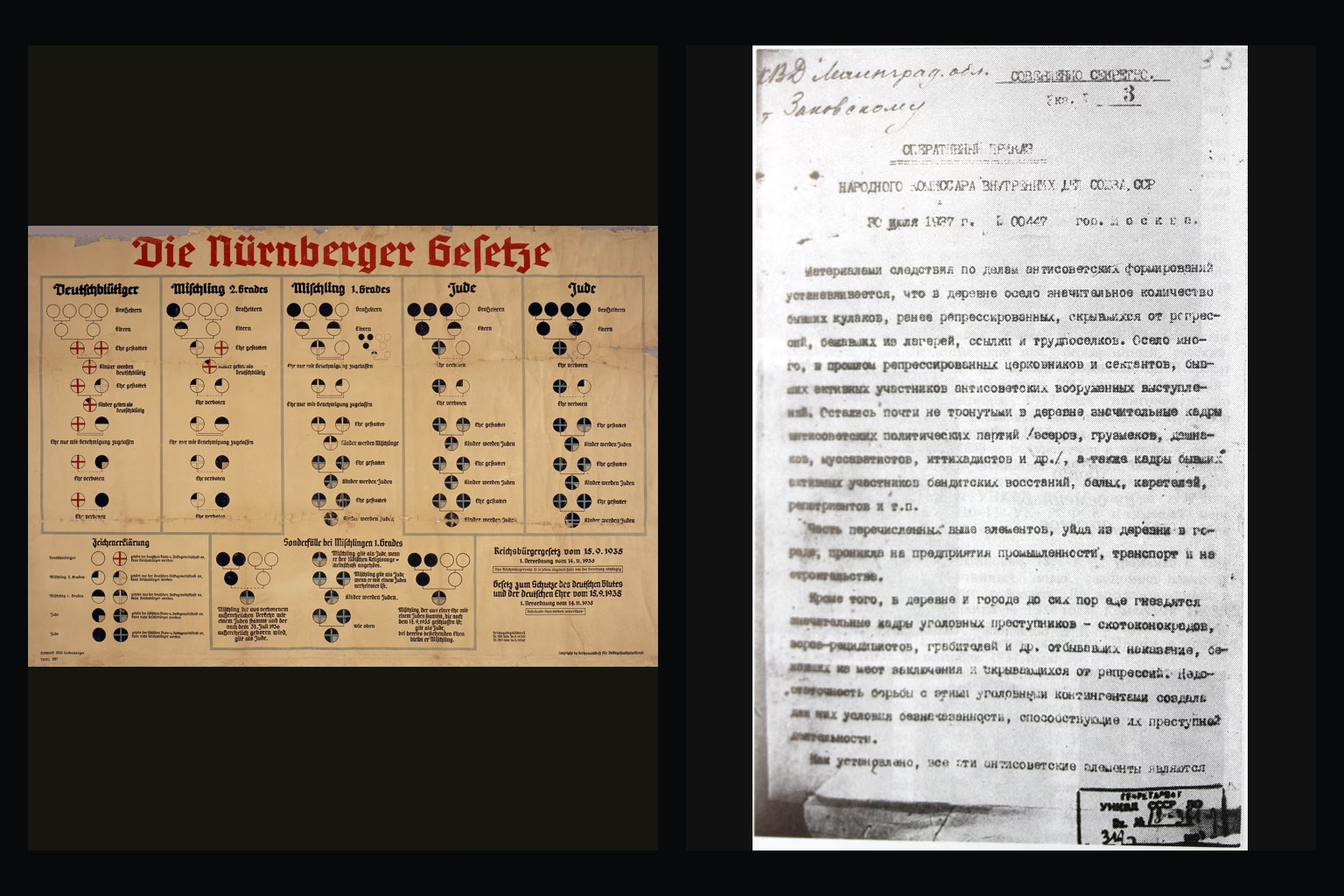
Imperial expansion accustomed European governments to racial classification, rule by decree and bureaucratic command in territories denied equal citizenship. Political antisemitism recast Jewish citizens as a hidden nation whose legal equality could never be trusted. The techniques of imperial rule, national rivalry, mass politics and modern administration entered the next crisis as available instruments. A movement that joined them could build an order far more destructive than the conservative settlement of 1871.
What survived
- The German Empire was proclaimed at Versailles on 18 January 1871 while Paris remained under siege during the Franco-Prussian War.
- The Treaty of Frankfurt transferred Alsace and part of Lorraine to Germany and required France to pay an indemnity of five billion francs.
Christopher Clark (2006)Mark Mazower (1998)