Portugal Takes the African Gate
The capture of Ceuta joined crusade, commerce and royal command in Portugal's first permanent foothold beyond Europe.
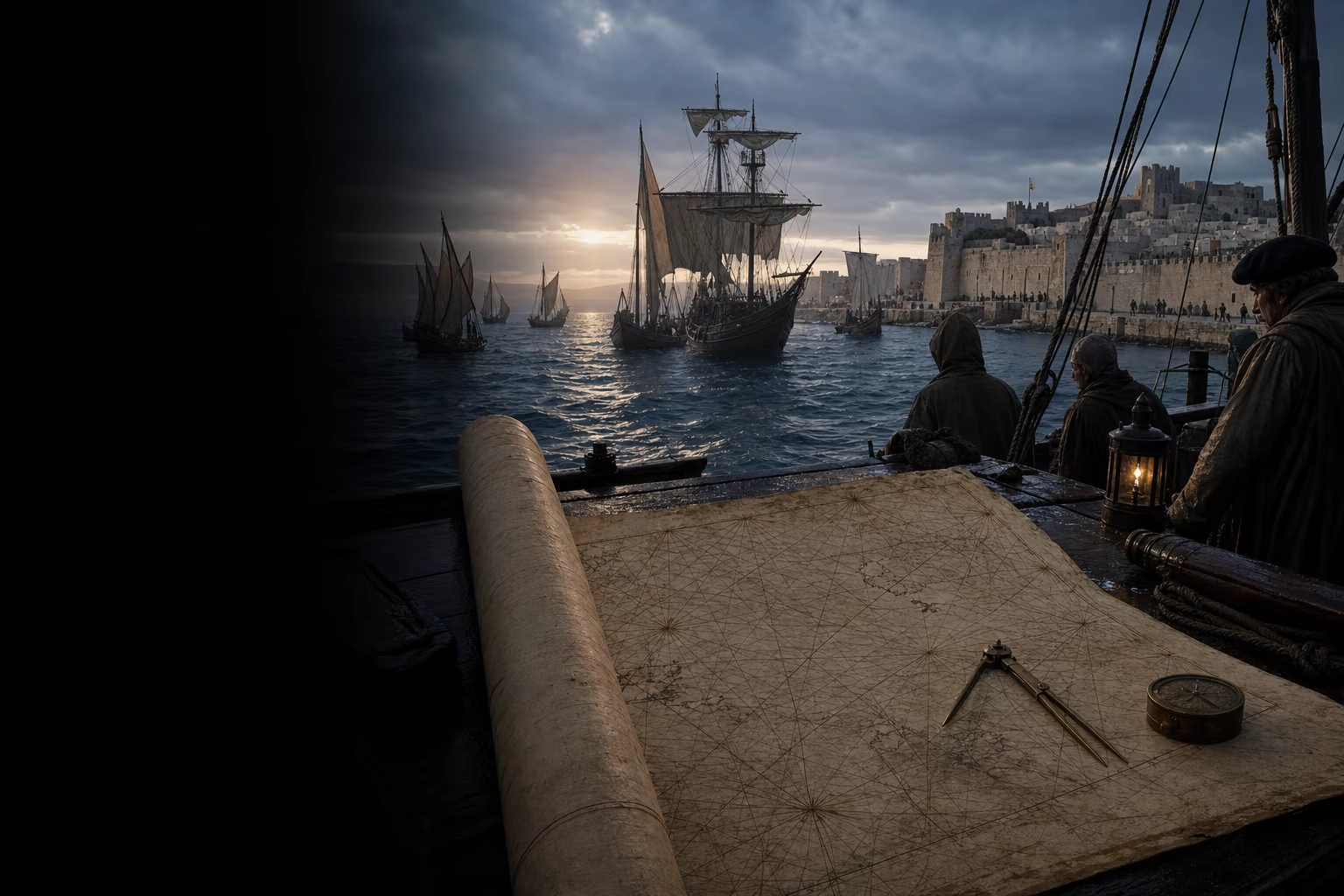
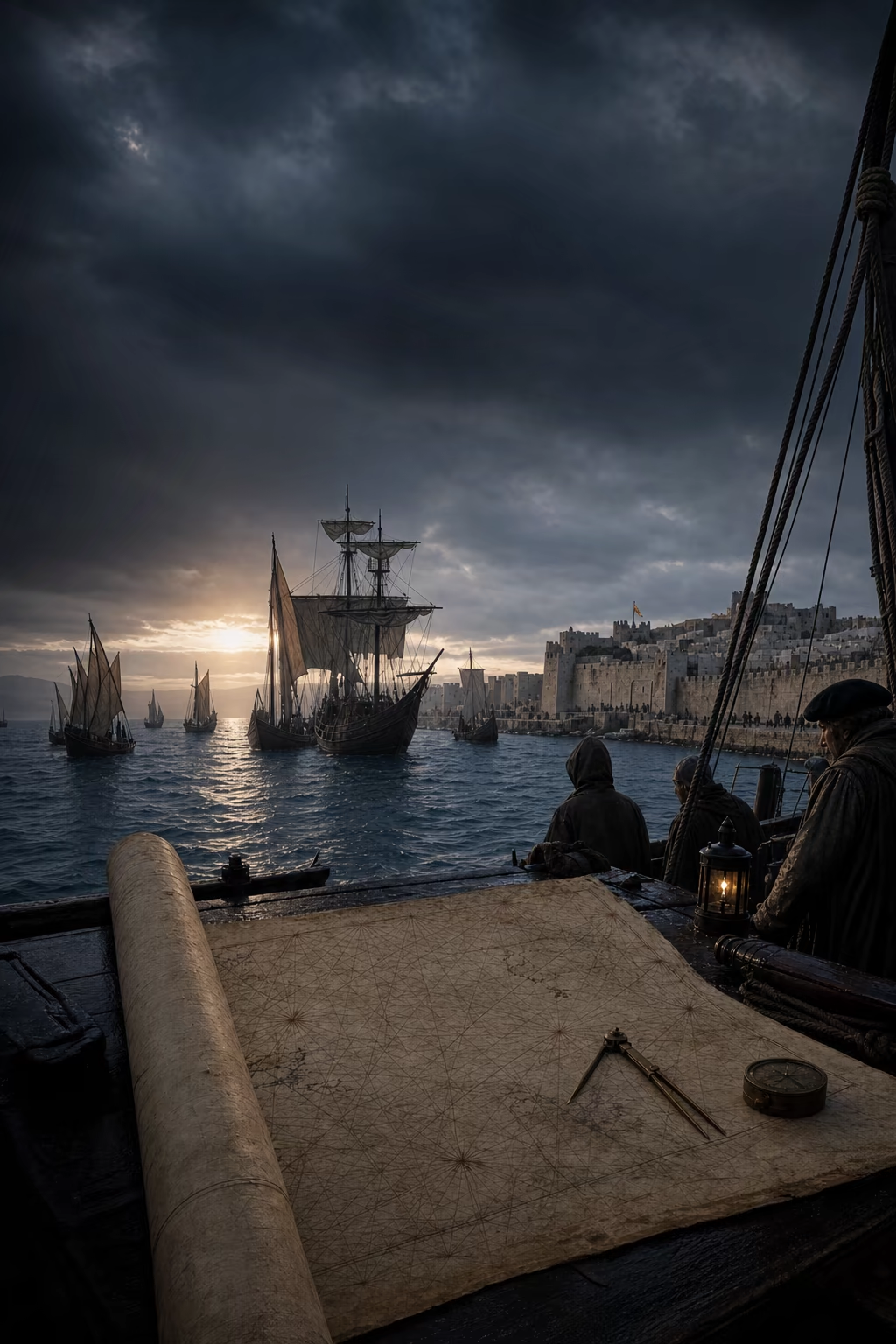
Before dawn on 21 August 1415, Portuguese ships brought King João I, his sons and an expeditionary army across the Strait of Gibraltar. Ceuta stood behind walls at the meeting point of the Mediterranean and Atlantic, facing the caravan routes of Morocco and the sea lanes of southern Iberia. The assault took the city in a day. A kingdom with a narrow land frontier had acquired an overseas fortress, and the royal dynasty received a theatre in which crusading honour, noble service and commercial ambition could be directed together.
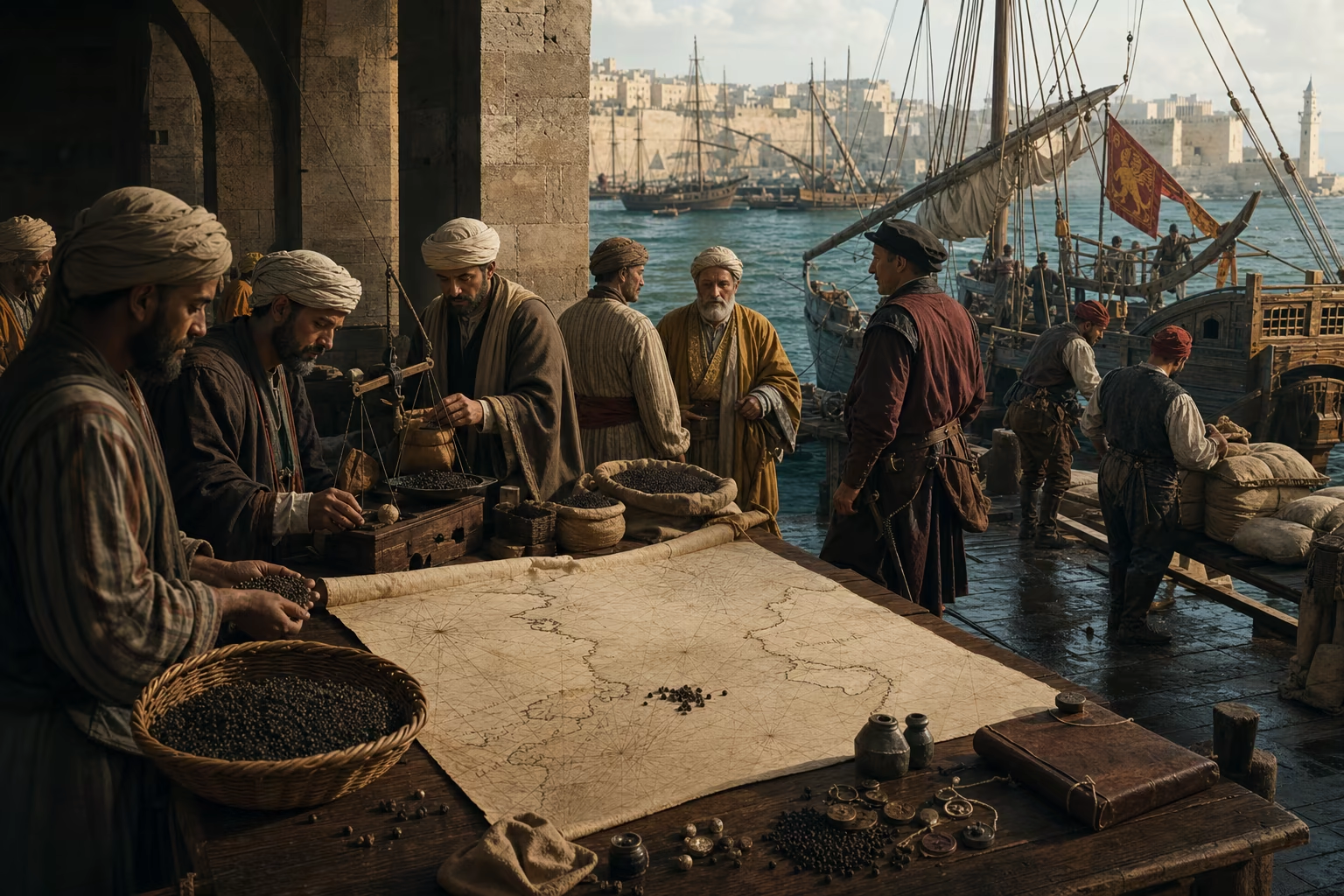
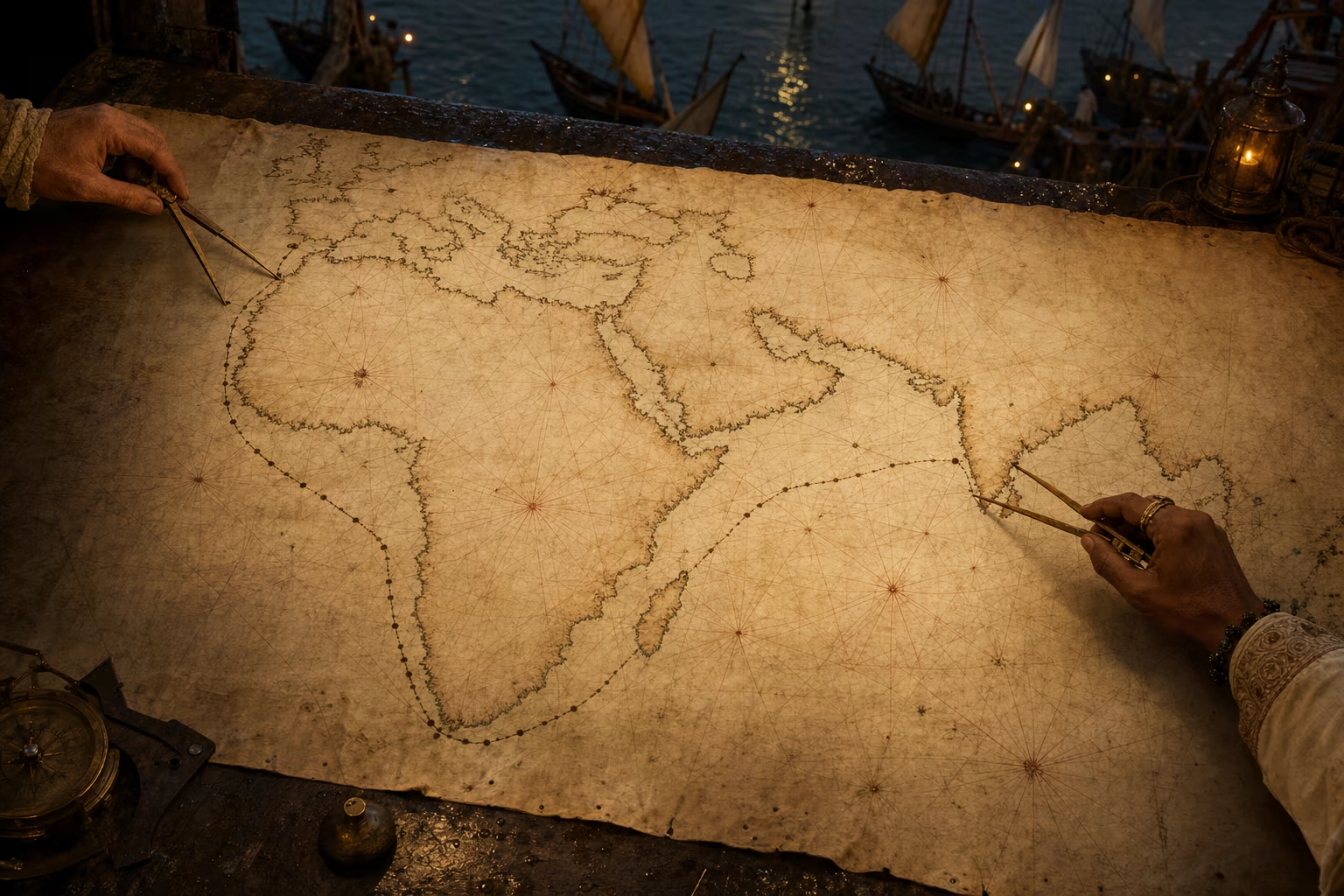
The customs house revealed the limits of victory. Merchants and caravans could avoid a captured port, while Portugal had to provision and defend Ceuta across the strait. The city offered access to information about Saharan gold and Moroccan politics without delivering command of either. Its exposed garrison turned geography into a continuing expense. Holding the gate therefore sharpened the value of routes that an army could not seize: the Atlantic approaches to West African markets and the long coast that extended beyond familiar sailing.
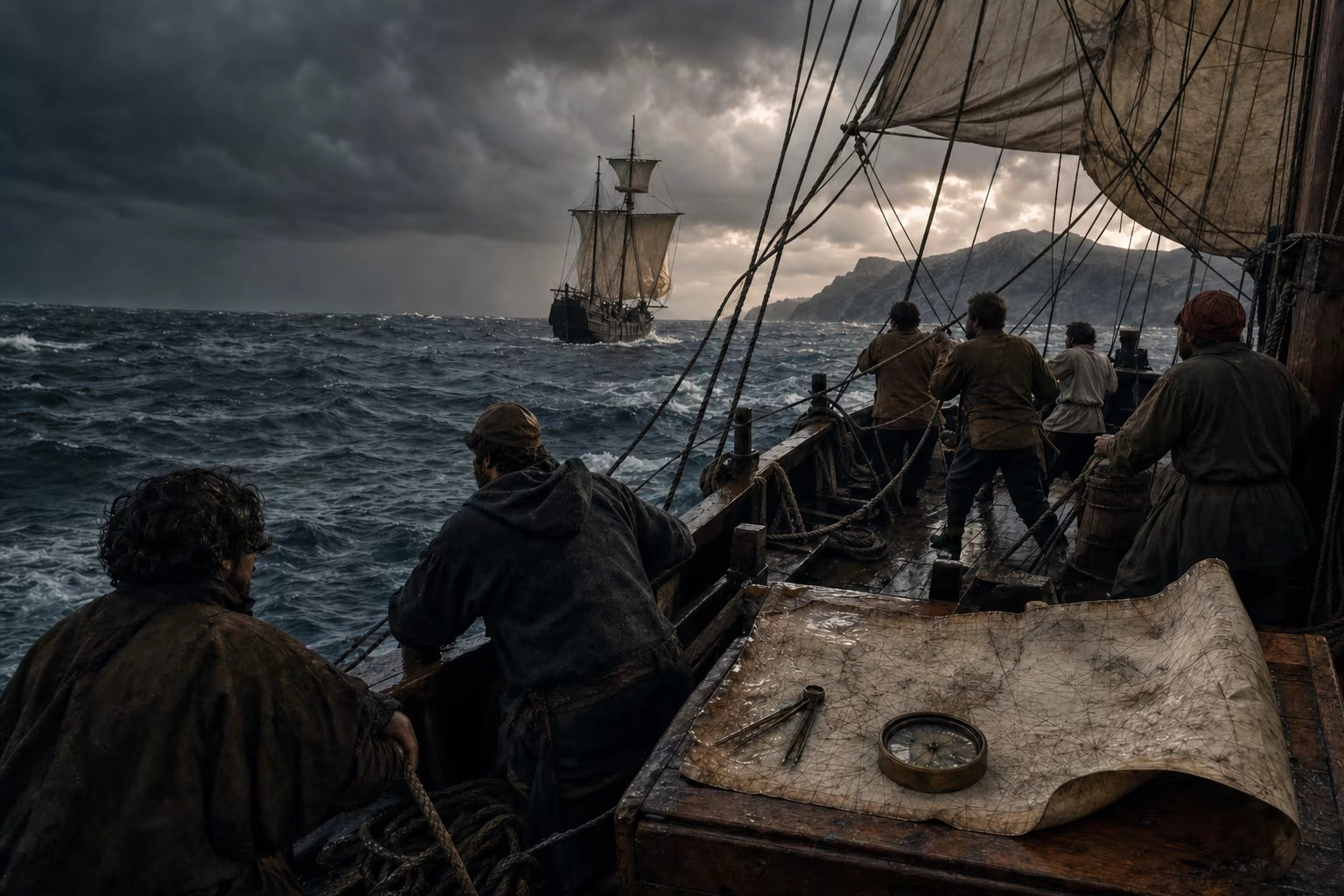
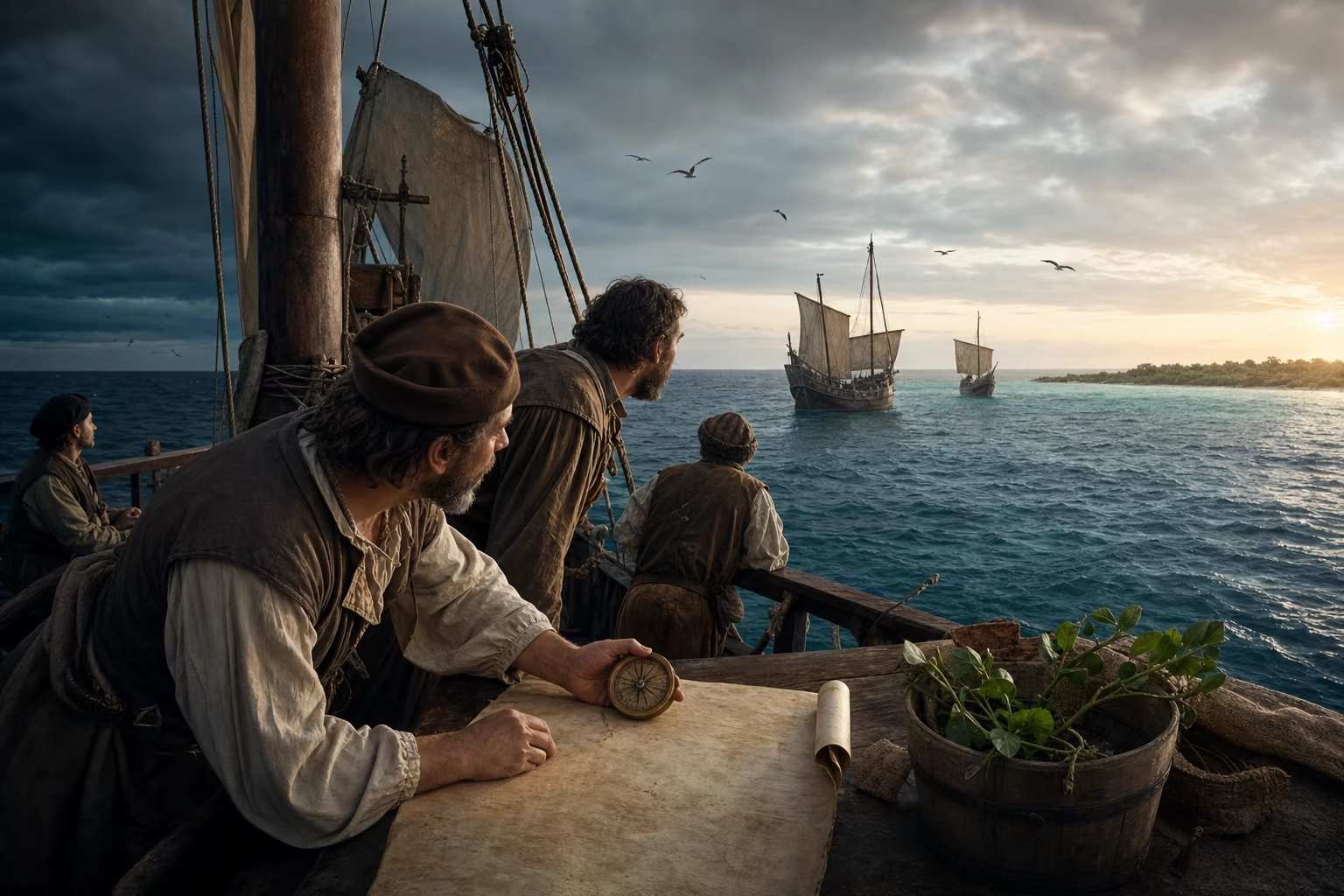
Portugal answered by making the coast itself an object of sustained royal enterprise. Captains sailed from secure home ports, returned with pilots' reports and prepared the next departure. Prince Henrique became the most durable patron within a larger network of crown officers, merchants, nobles, fishermen and mariners. Their motives included African gold, Christian allies, crusading advantage and profitable trade. European oceanic expansion had begun in 1415, thirty-eight years before Constantinople fell. Ceuta's incomplete success sent Portuguese ambition seaward, where knowledge could advance one voyage at a time.
What survived
- Portuguese forces captured Ceuta in August 1415 and retained it as the monarchy's first permanent overseas possession.
- The conquest served crusading, dynastic and commercial aims, while diverted caravan traffic prevented the city from yielding the trade its captors expected.