








Three Crowns Seek a King
A dynastic accident joined Austria, Bohemia and a contested Hungary beneath one ruler without merging their crowns or cancelling their rights.
Louis II of Hungary and Bohemia rode from the field of Mohács in August 1526 while his army collapsed before Sultan Süleyman. He drowned in the retreat at the age of twenty, leaving two crowns and no child. His brother-in-law Ferdinand of Habsburg possessed a family compact and the immense advantage of his elder brother Charles V, yet neither kingdom passed to him like a private estate. Bohemian lords elected Ferdinand at Prague after hearing promises to defend their crown and observe its privileges. Austria was his inheritance. Hungary opened a civil contest between two elected kings.
Most Hungarian nobles assembled at Székesfehérvár and chose the Transylvanian magnate John Zápolya. Another group met at Pressburg and elected Ferdinand, invoking earlier succession agreements and the urgent need for Habsburg resources against the Ottomans. Each claimant was crowned, each gathered adherents and each described his title as lawful. The resulting war divided Hungary while the Ottoman occupation of its centre hardened into a fact. Royal Hungary in the north and west adhered to Ferdinand; the eastern kingdom under Zápolya and his heirs became an Ottoman tributary principality; the middle plain came under direct Ottoman rule. The Habsburg monarchy was born beside a broken kingdom, not on an uncontested marriage bed.
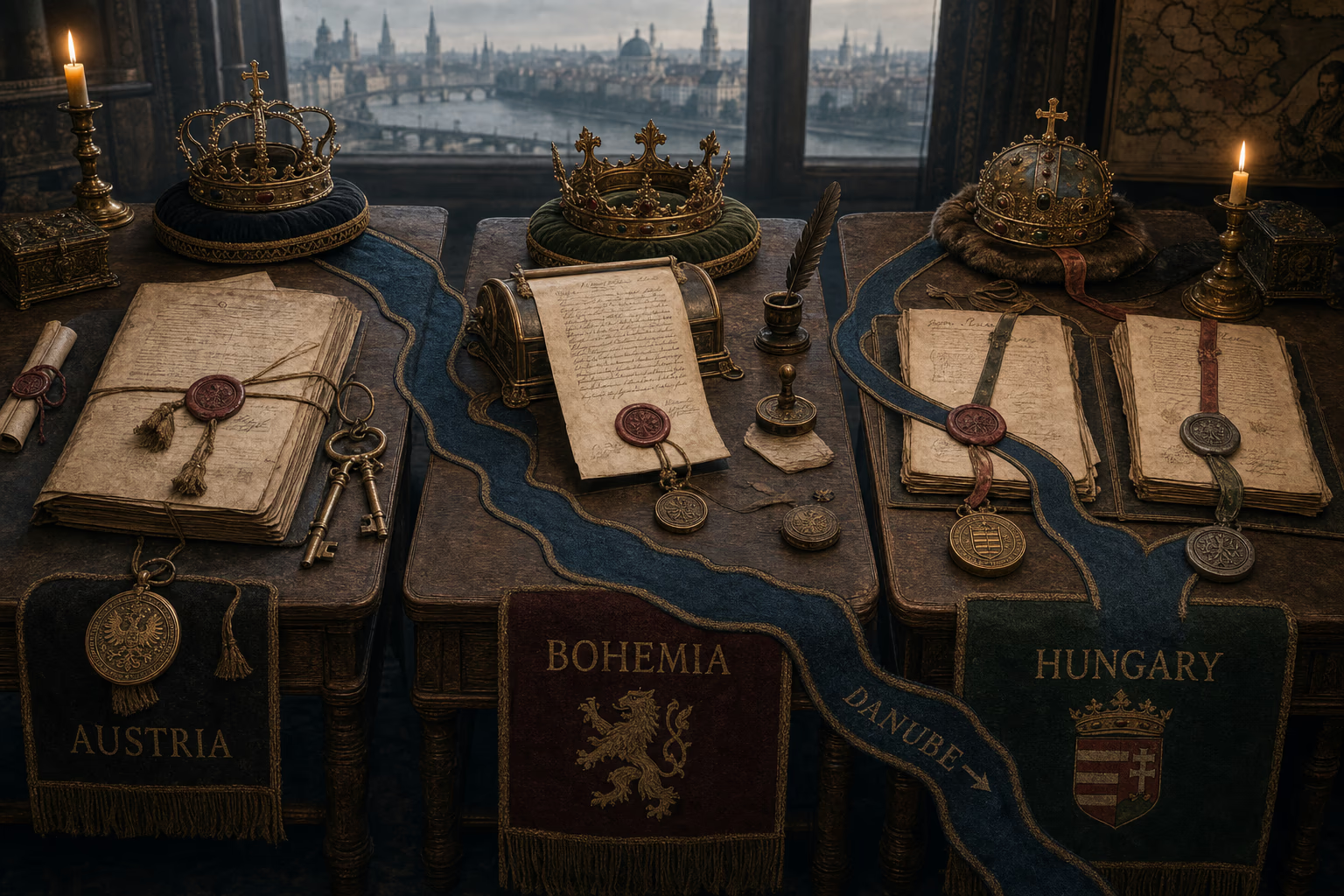
Its first strength lay in the incompleteness of the union. The Bohemian crown comprised Bohemia, Moravia, Silesia and the Lusatias, each with estates and offices. Hungary guarded the authority of its diet, counties and coronation oath. The Austrian hereditary lands possessed their own diets and fiscal bargains. Ferdinand had to be accepted in several places, ask for taxation through several bodies and govern with men who spoke for historic communities older than his new monarchy. One dynasty supplied continuity across the tables; three crowns kept their seals upon them. Europe acquired a political house assembled by promises that could be renewed because they had never been made identical.
What survived
- After Louis II died at Mohács in 1526, the Bohemian estates elected Ferdinand while rival Hungarian assemblies elected John Zápolya and Ferdinand.
- Austria, the Bohemian crown and Royal Hungary retained distinct diets, laws, offices and coronation obligations beneath the Habsburg ruler.
Charles W. Ingrao (2019)R. J. W. Evans (1979)Paula Sutter Fichtner (2003)
Assemble the three crowns
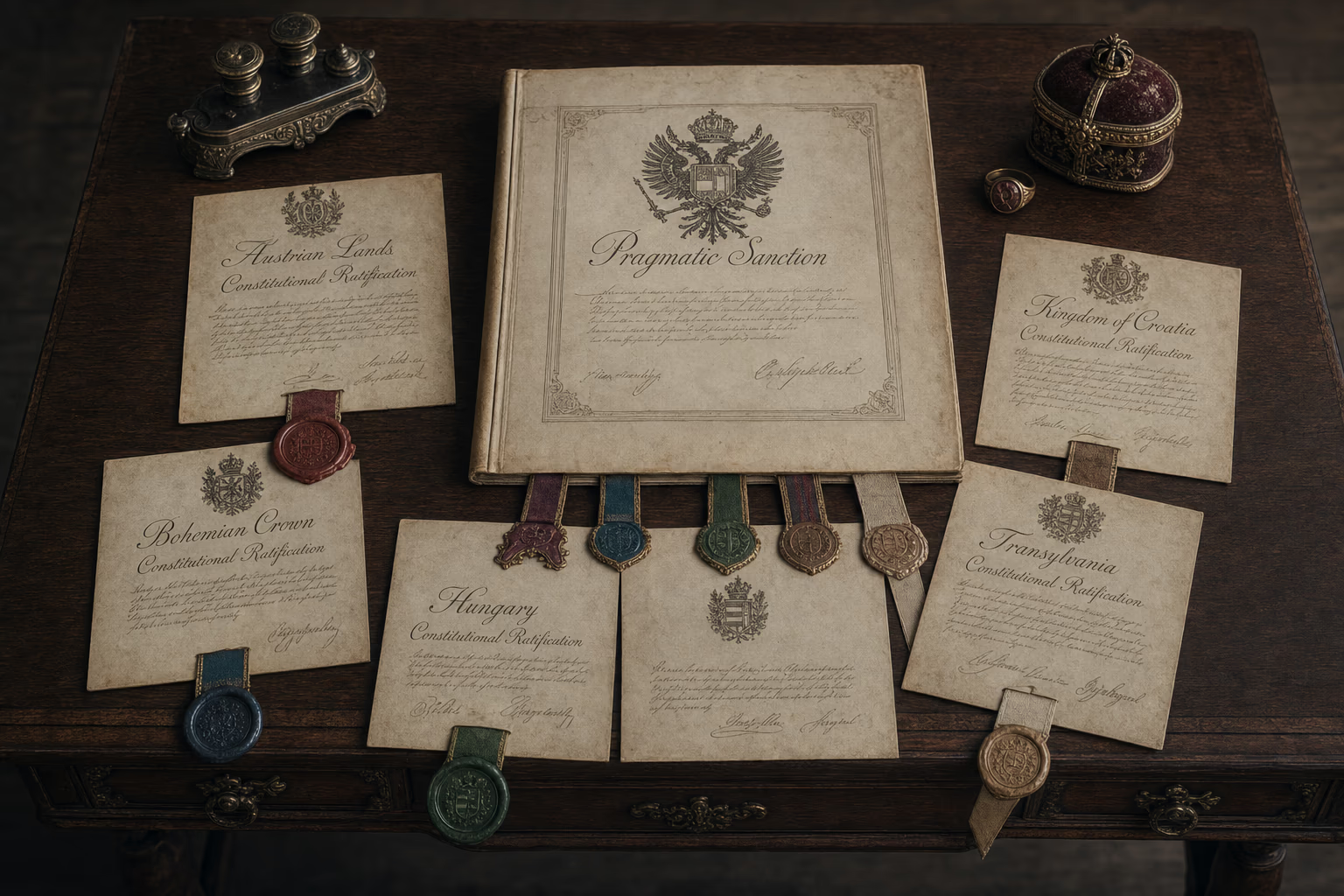
Four documentary states join the Austrian inheritance, Bohemian election and contested Hungarian election beneath Ferdinand while their diets, oaths and tax bargains remain separate.
One house, several duchies
- Title
- Archduke and territorial lord
- Instrument
- Dynastic inheritance
- Retained
- Provincial diets and privileges
The estates choose
- Title
- King of Bohemia
- Instrument
- Election and coronation oath
- Retained
- Crown lands, diet and offices
One crown, two elections
- Title
- Rival kings of Hungary
- Instrument
- Election, coronation and compact
- Retained
- Diet, counties and coronation law
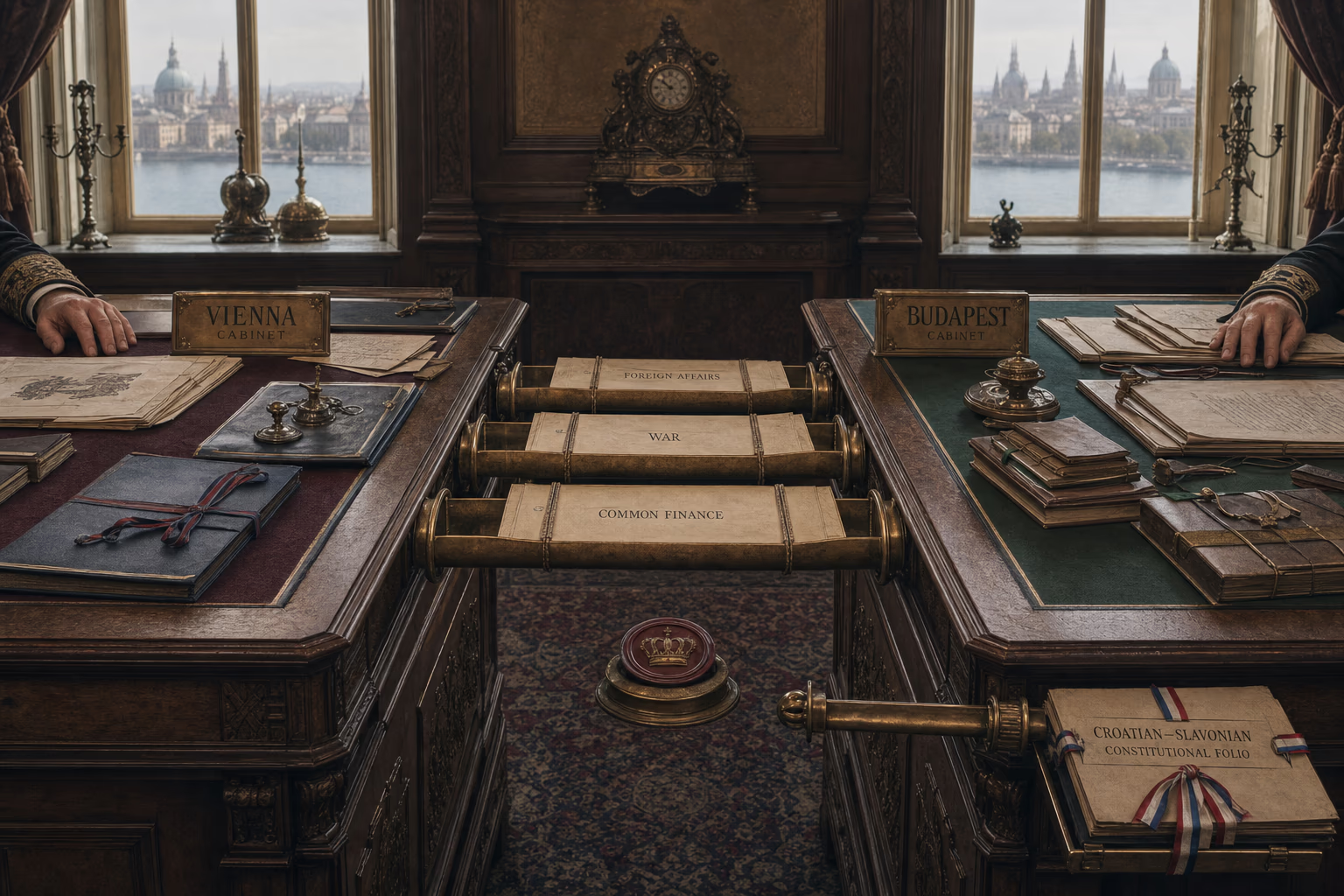
The common work begins
- Shared
- Ruler, court and frontier need
- Separate
- Crowns, laws, diets and bargains
- Obligation
- Defend every inherited land
Ferdinand governs hereditary lands already held by his dynasty, each with provincial estates that negotiate taxation and local administration.