Ports Wake Before Kingdoms
The revival of Mediterranean traffic demanded instruments that could work across rulers, currencies and seas.
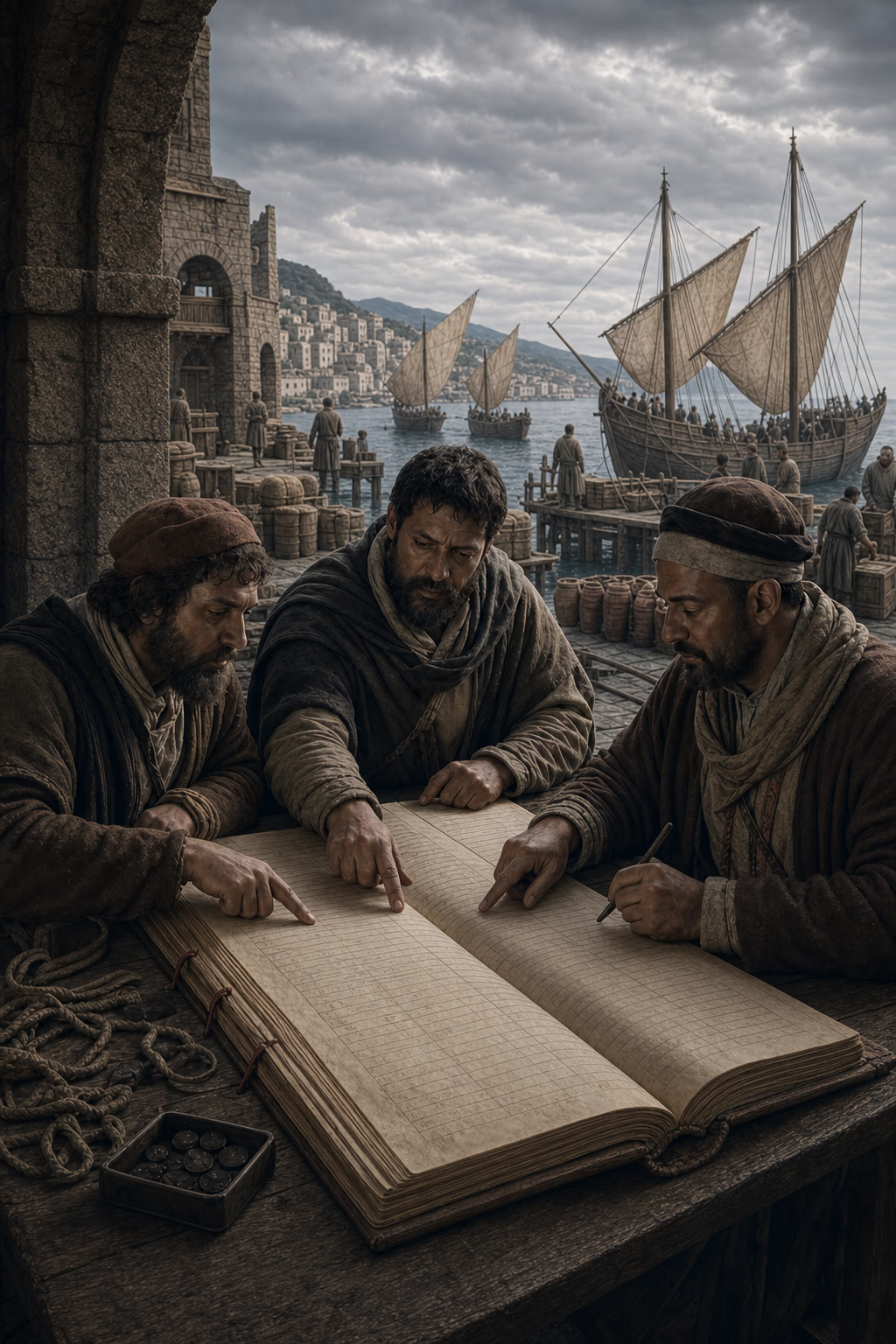
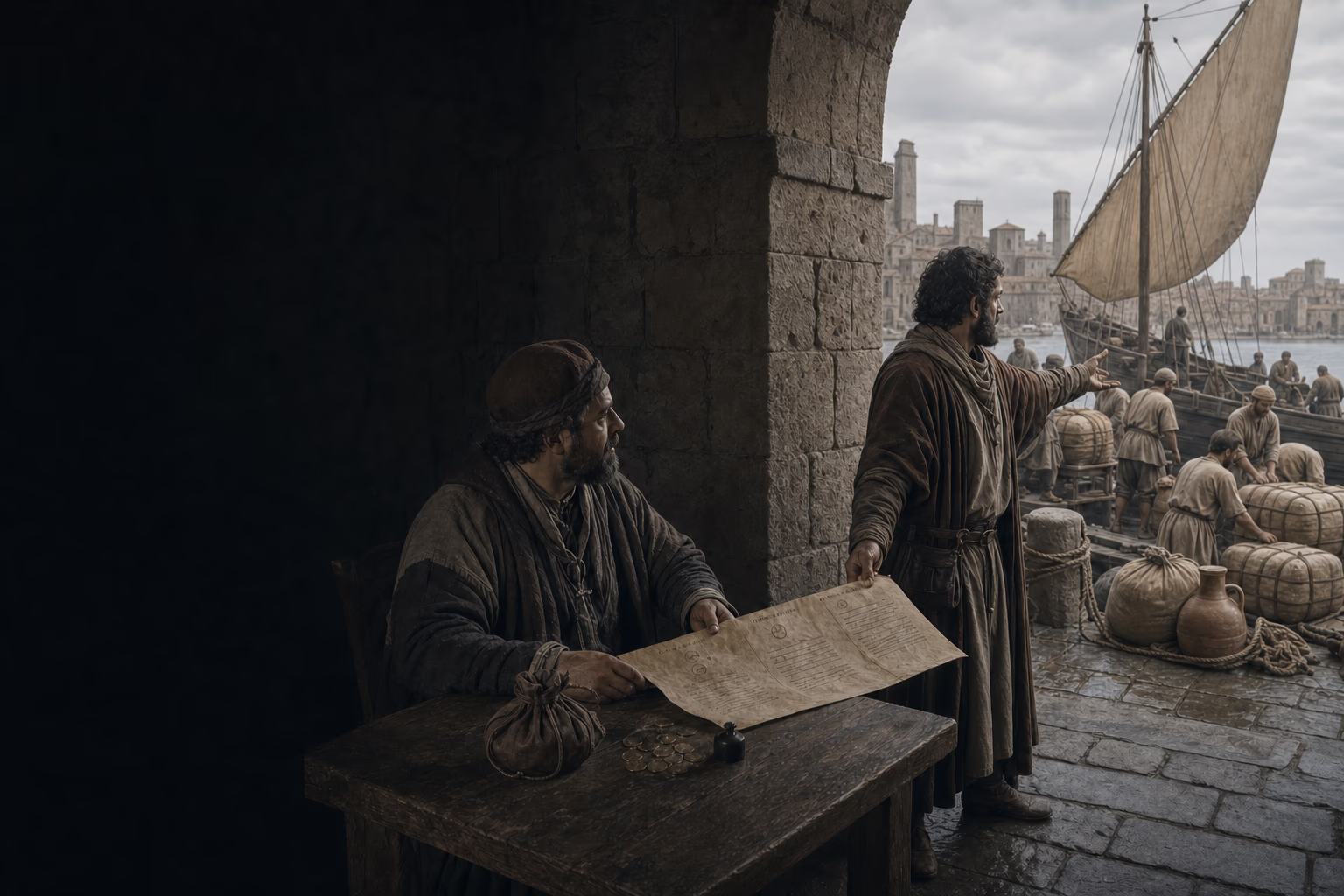
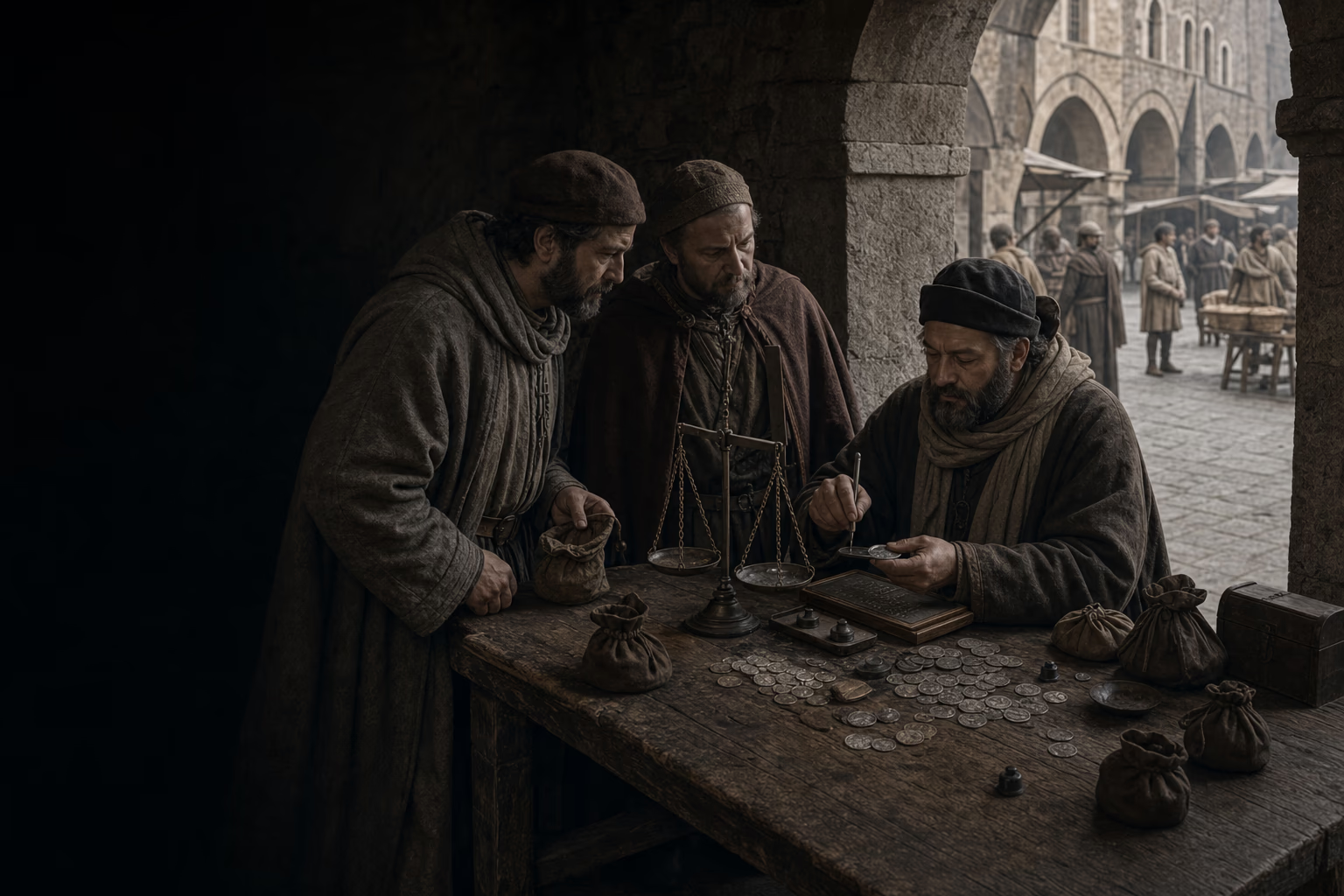
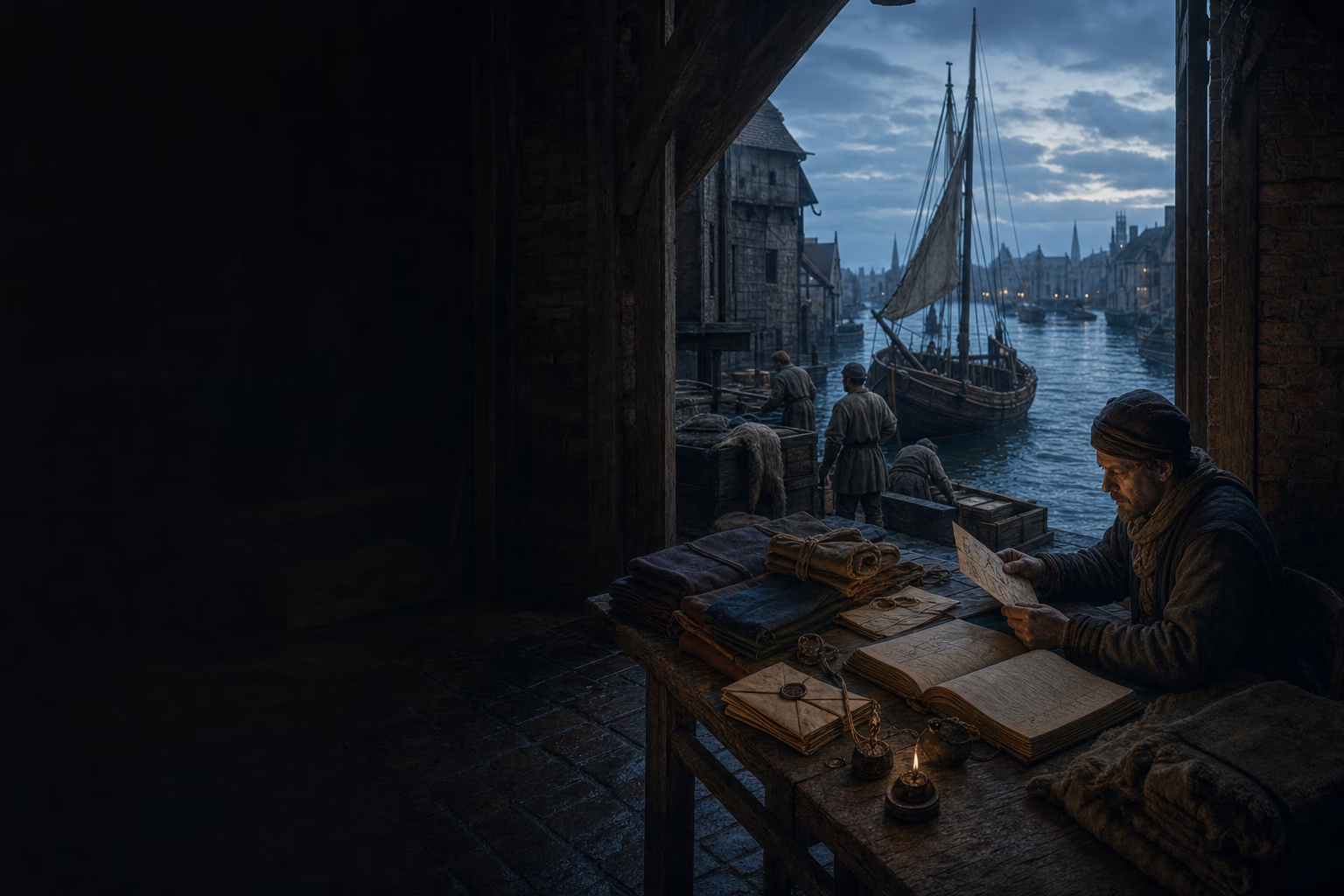
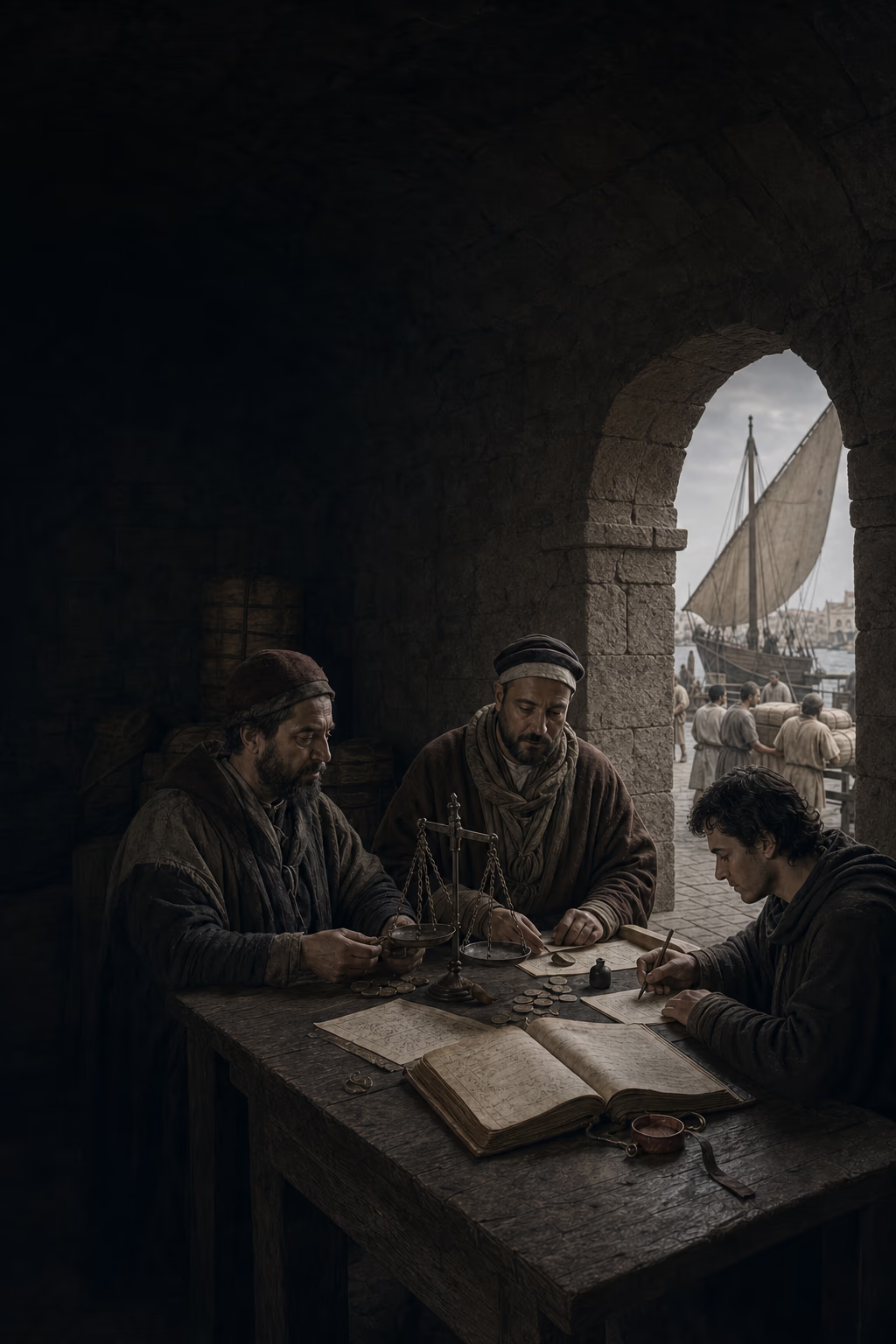
At dawn in Venice, Amalfi, Pisa or Genoa, commerce began with weight. A sack was opened, a coin tested, a bale marked and a quantity entered beside a name. Beyond the table lay a sea divided among emperors, caliphs, cities, lords and raiders. No western king commanded the whole route. Italian ports grew because their sailors and merchants learned to operate across that political fragmentation, carrying timber, salt, grain, metals, cloth and eastern luxuries between shores governed by different laws.
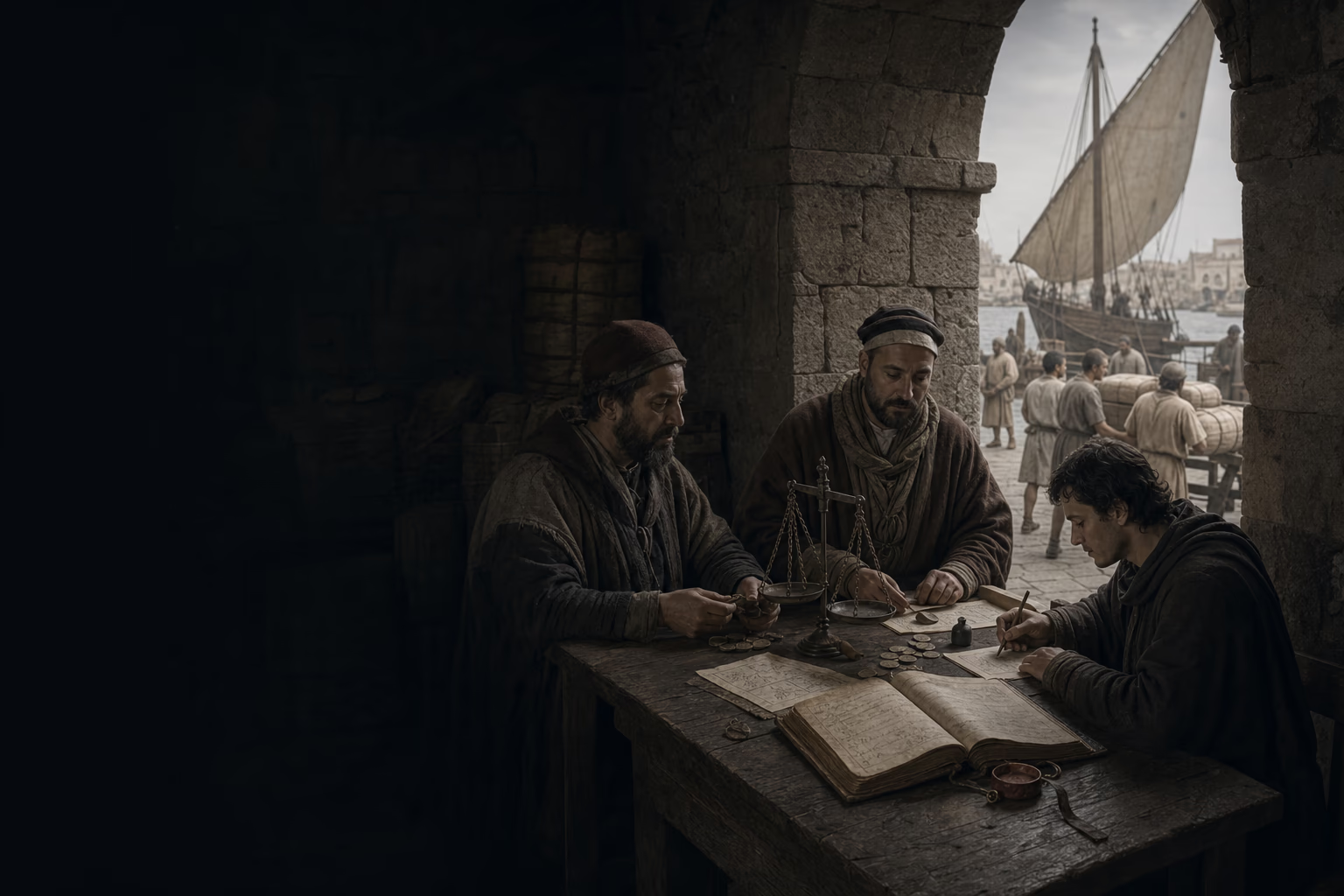
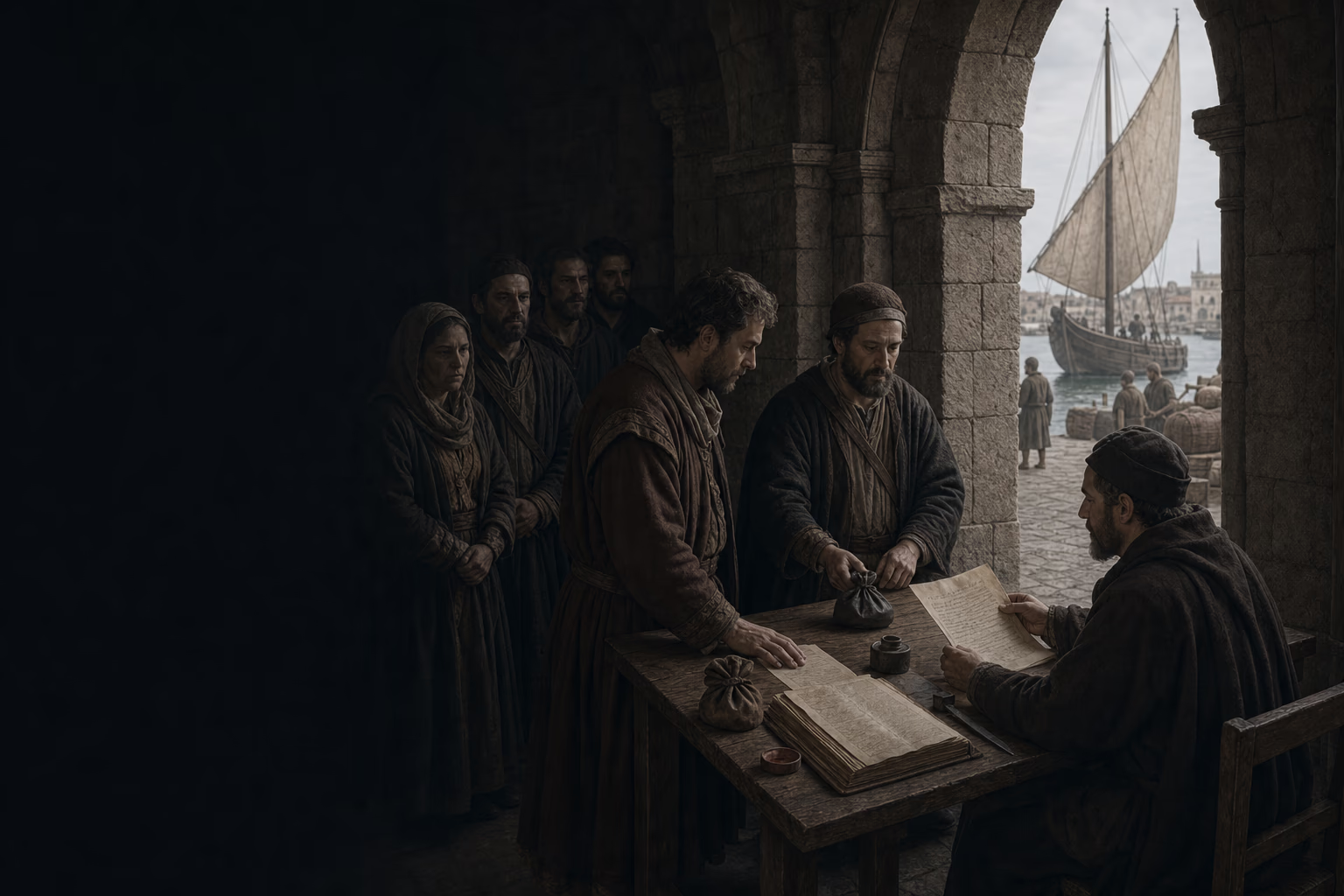
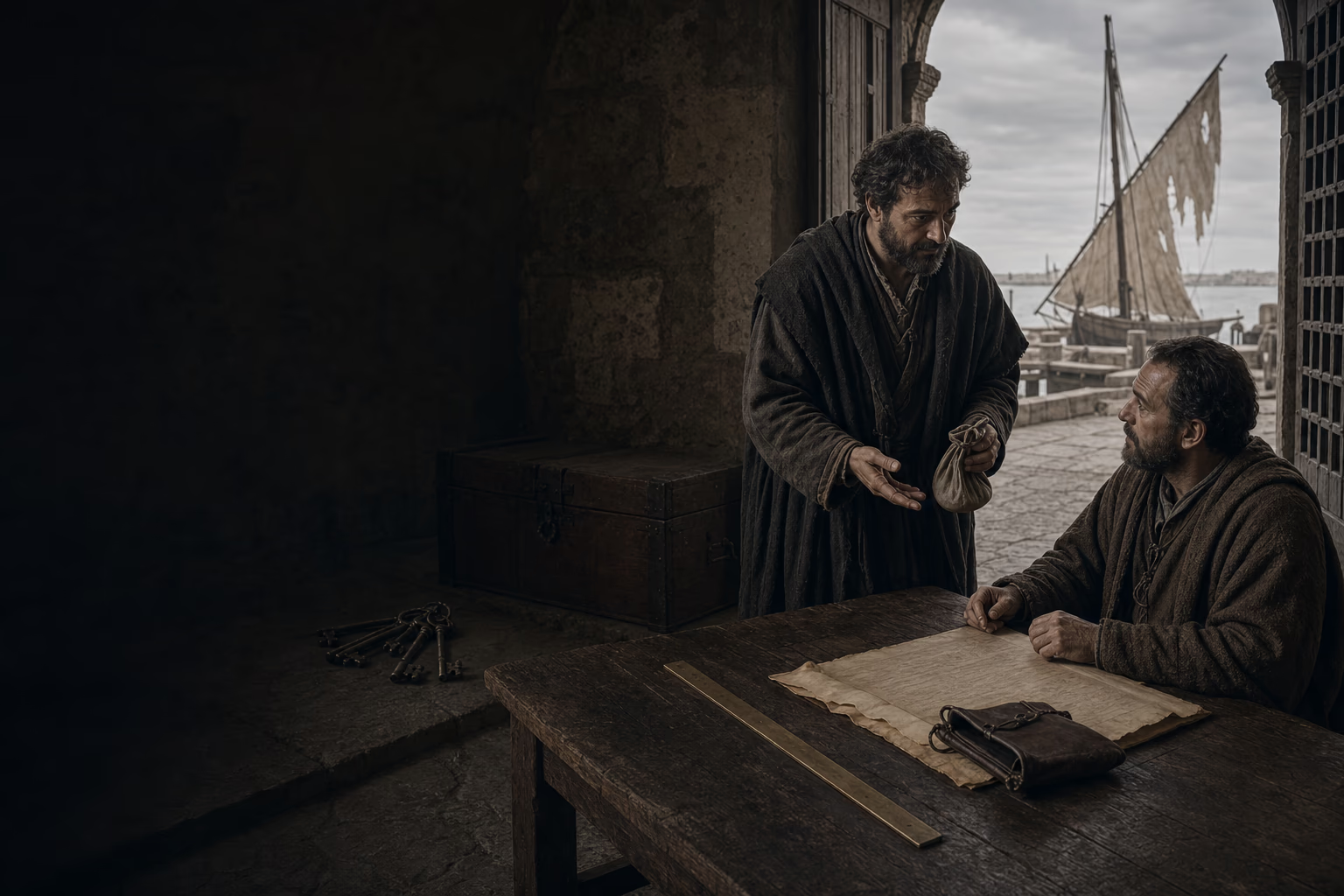
The longer the voyage, the more expensive uncertainty became. A merchant needed to know whose measure had filled the barrel, which coin had paid for it, who had accepted custody and where a broken promise could be pursued. Spoken reputation remained powerful, especially within families and familiar communities, but a ship soon travelled beyond the reach of a household’s memory. Distance increased the value of the scale, the mark, the witness, the written obligation and the court prepared to recognise them.
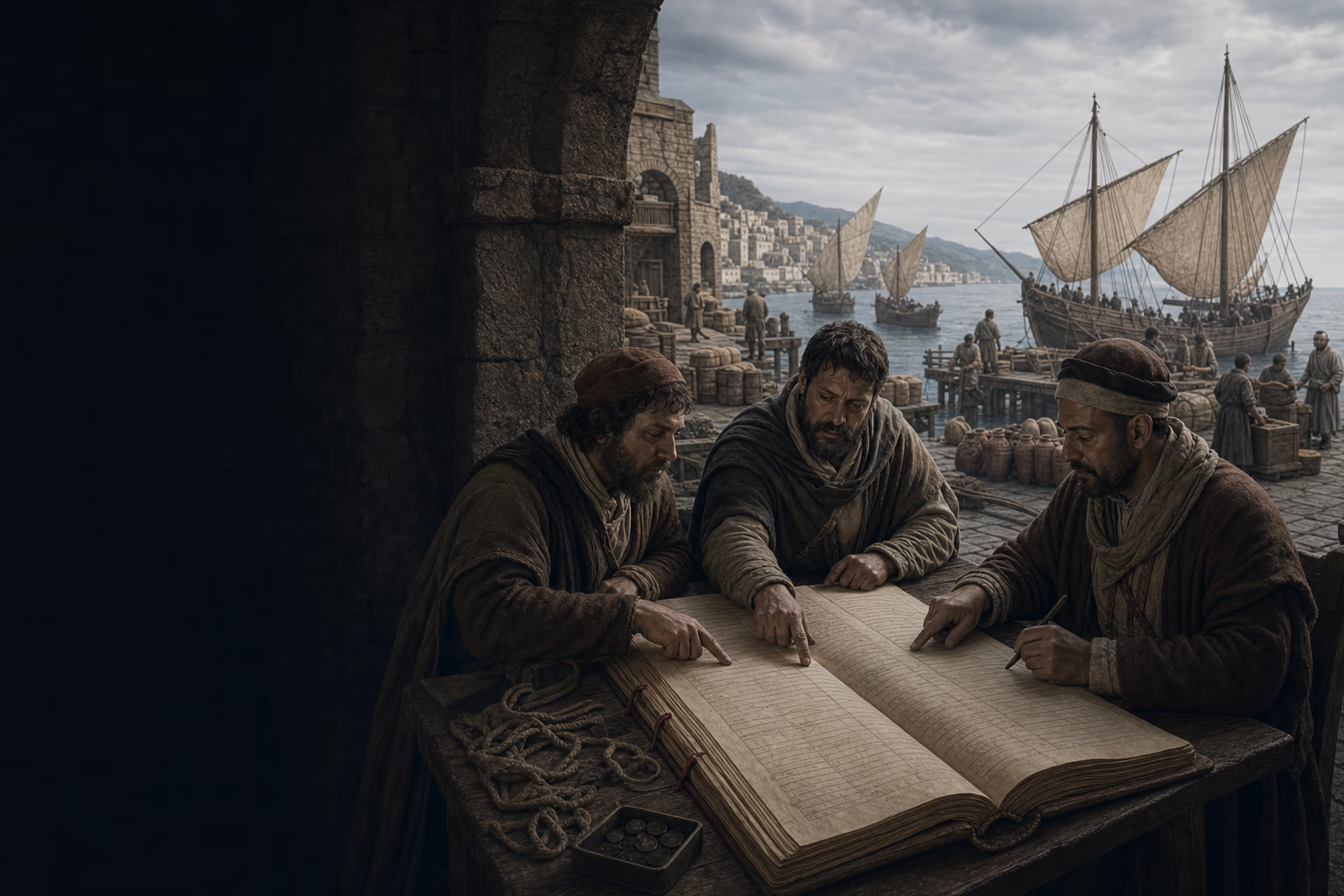
European commerce revived through this accumulation of exact habits. Harbour dues recorded arrivals. Brokers found counterparties. Translators crossed languages. Merchants compared coins by silver content and learned the customs of foreign quays. Each successful passage left more than profit: it left a tested route, a known contact and a form that could be used again. Before Europe possessed a single market, its ports had begun to build a commercial order capable of crossing many jurisdictions. The first road was the line a clerk drew beneath a sum.
What survived
- Port records, coin finds, cargo evidence and surviving commercial instruments trace renewed traffic through the Italian maritime cities from the tenth century onward.
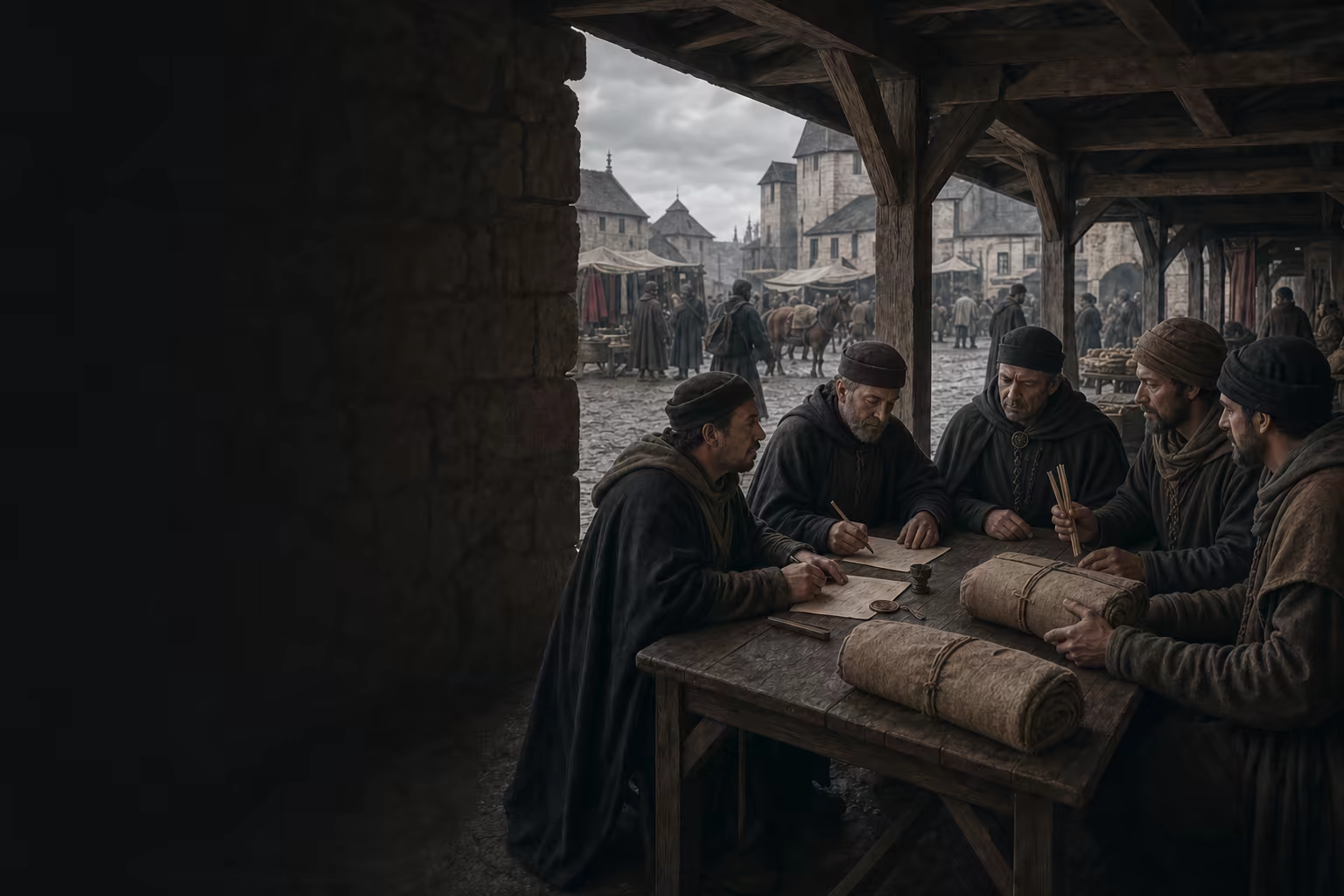
- Political division did not disappear; merchants answered it with repeatable practices for weighing, witnessing, recording and enforcing exchange.
Robert S. Lopez (1976)Peter Spufford (1988)Frederic C. Lane (1973)