

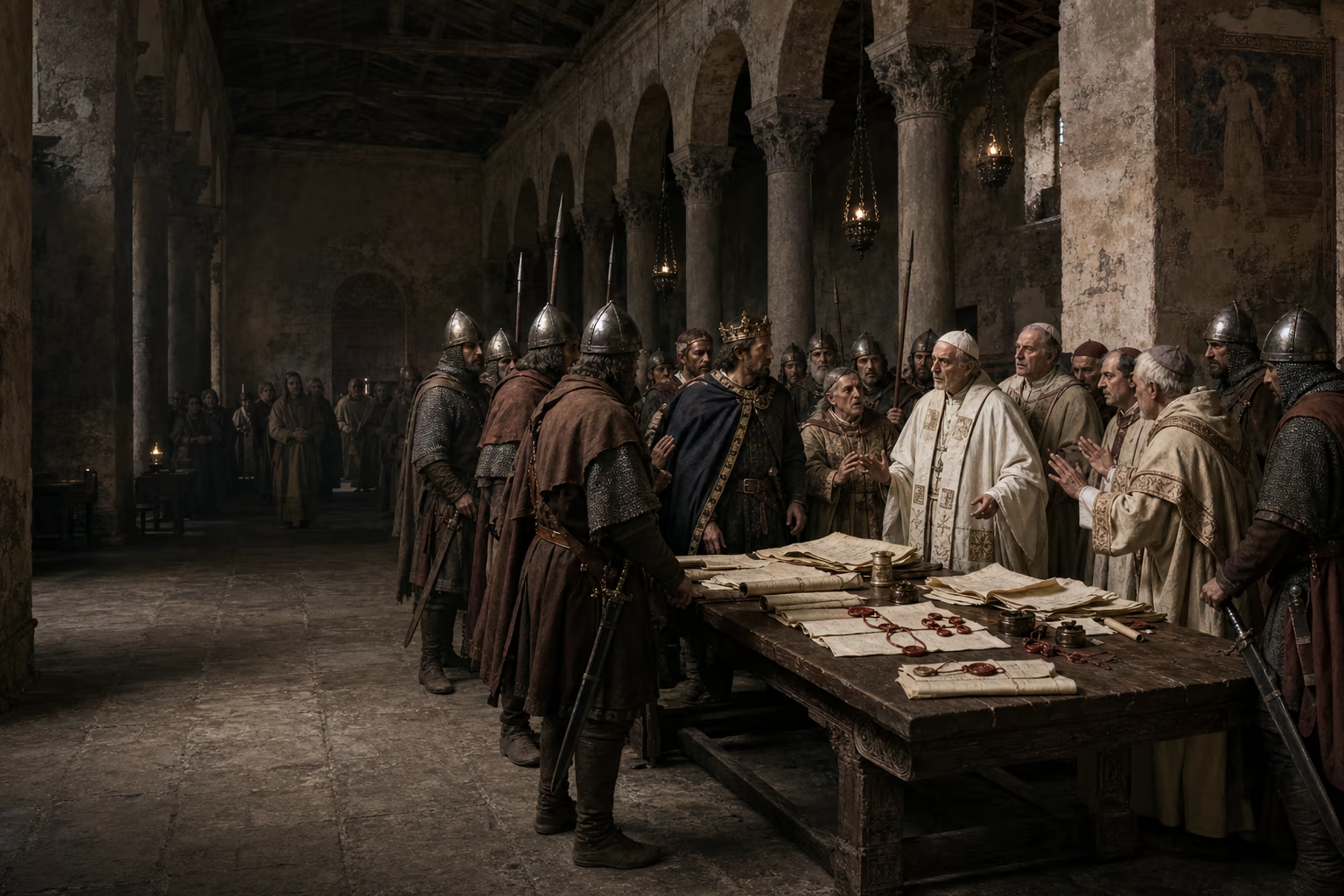

The Emperor Judges Three Popes
Henry III ended a Roman succession crisis as protector of the Church, giving reformers a papacy whose dependence on royal intervention was plain.
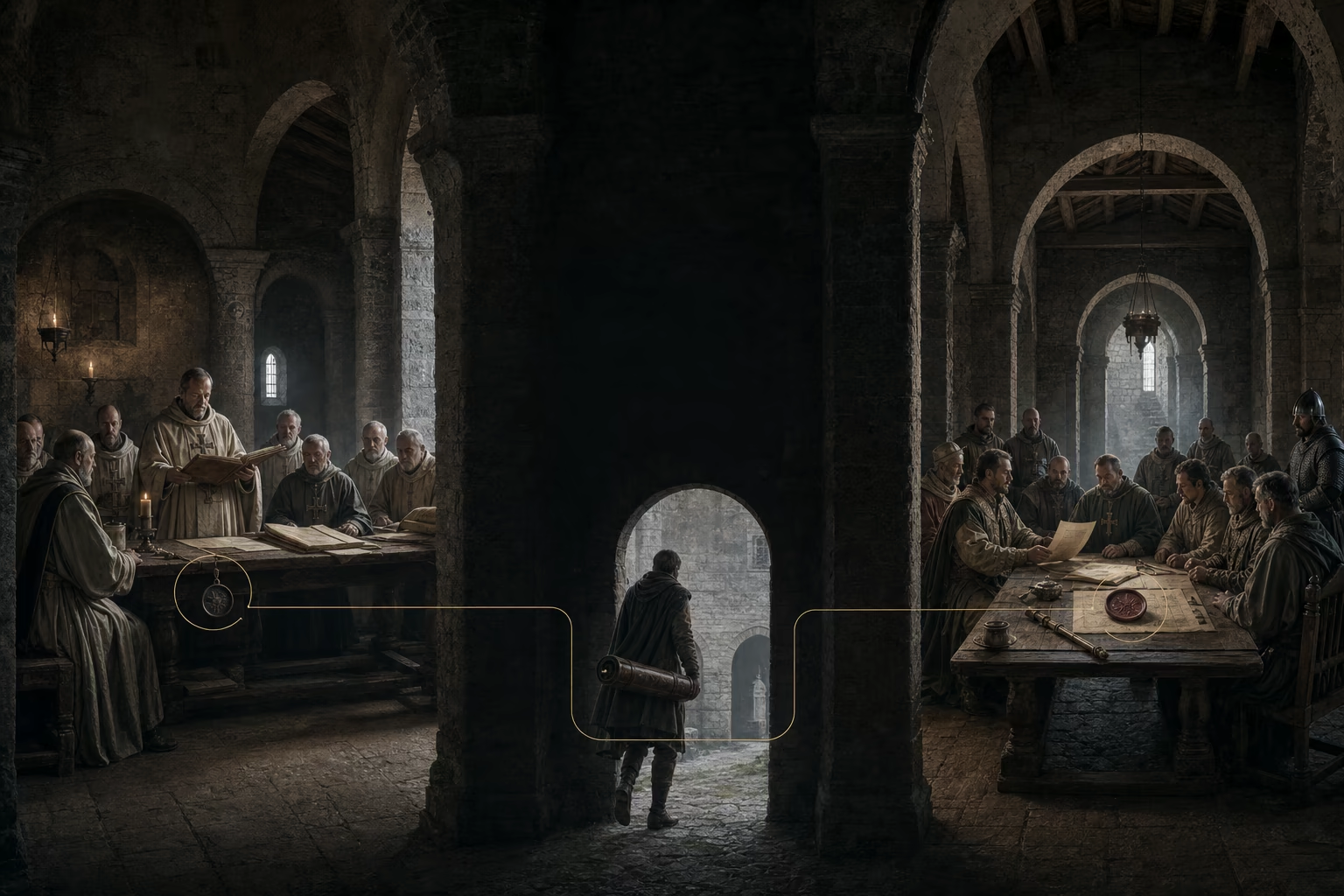
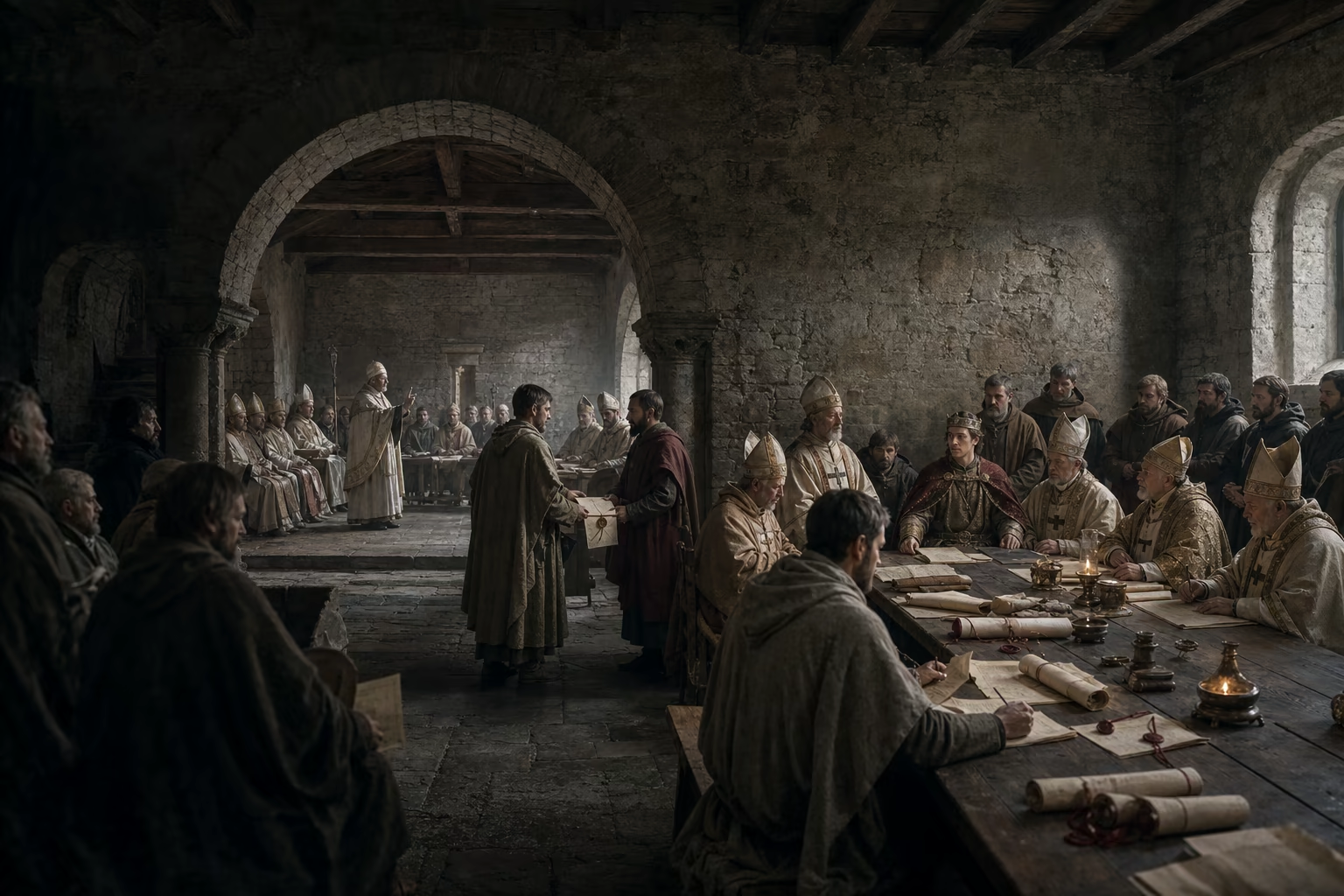
Henry III crossed the Alps to receive the imperial crown and found three men associated with the papal office. Benedict IX, Sylvester III and Gregory VI rested on different elections, factions and transactions. The synod held at Sutri judged Sylvester and Gregory; Gregory’s acquisition of the office from Benedict made his position indefensible to reformers who treated the purchase of sacred office as simony. Benedict was removed when the proceedings continued at Rome.
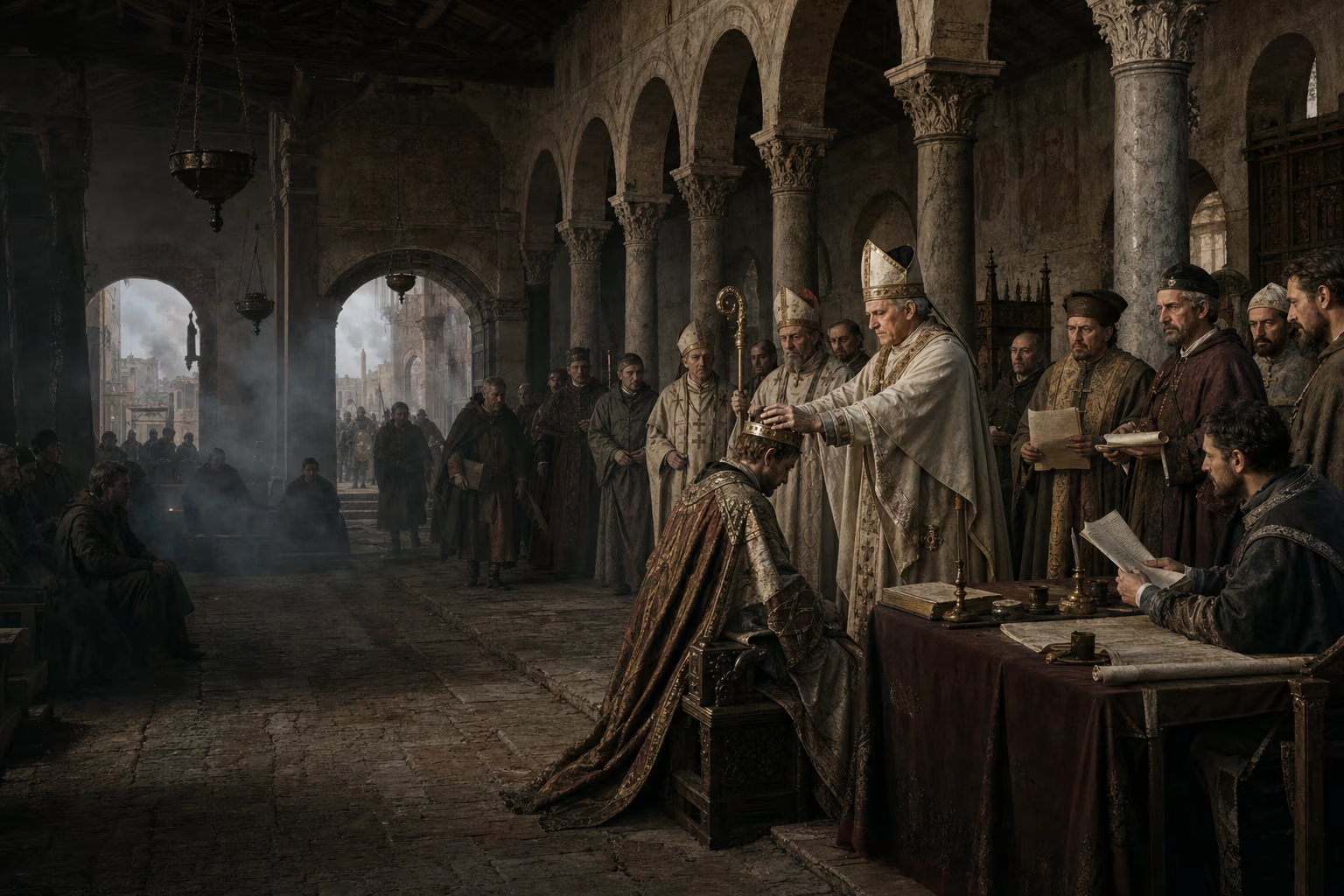
The king did not arrive as an enemy of ecclesiastical reform. He convened bishops, supplied coercive authority and helped raise Suidger of Bamberg as Clement II. The new pope crowned Henry emperor on Christmas Day. German and Lotharingian churchmen then entered Roman government with programmes of clerical discipline and opposition to simony. Imperial protection gave reform a centre from which it could act.
The sequence survives through accounts written from different interests, and the exact juridical form of every removal remains contested. Its political meaning is clearer. A sacred emperor had restored order in the Roman Church by judging its claimants. The institutions rebuilt after 1046 would soon argue that no lay protector could possess the offices he had rescued.
What survived
- Narratives of Sutri agree on a papal succession crisis and decisive royal intervention, while differing over the legal form and sequence of the judgments.
- Clement II’s coronation of Henry III in Rome joined reforming papal government to imperial protection at the chapter’s starting point.