The Sea Acquires a Law
British command of the Atlantic gave abolition a fleet, a treaty system and courts able to strike at the slave trade on the water.
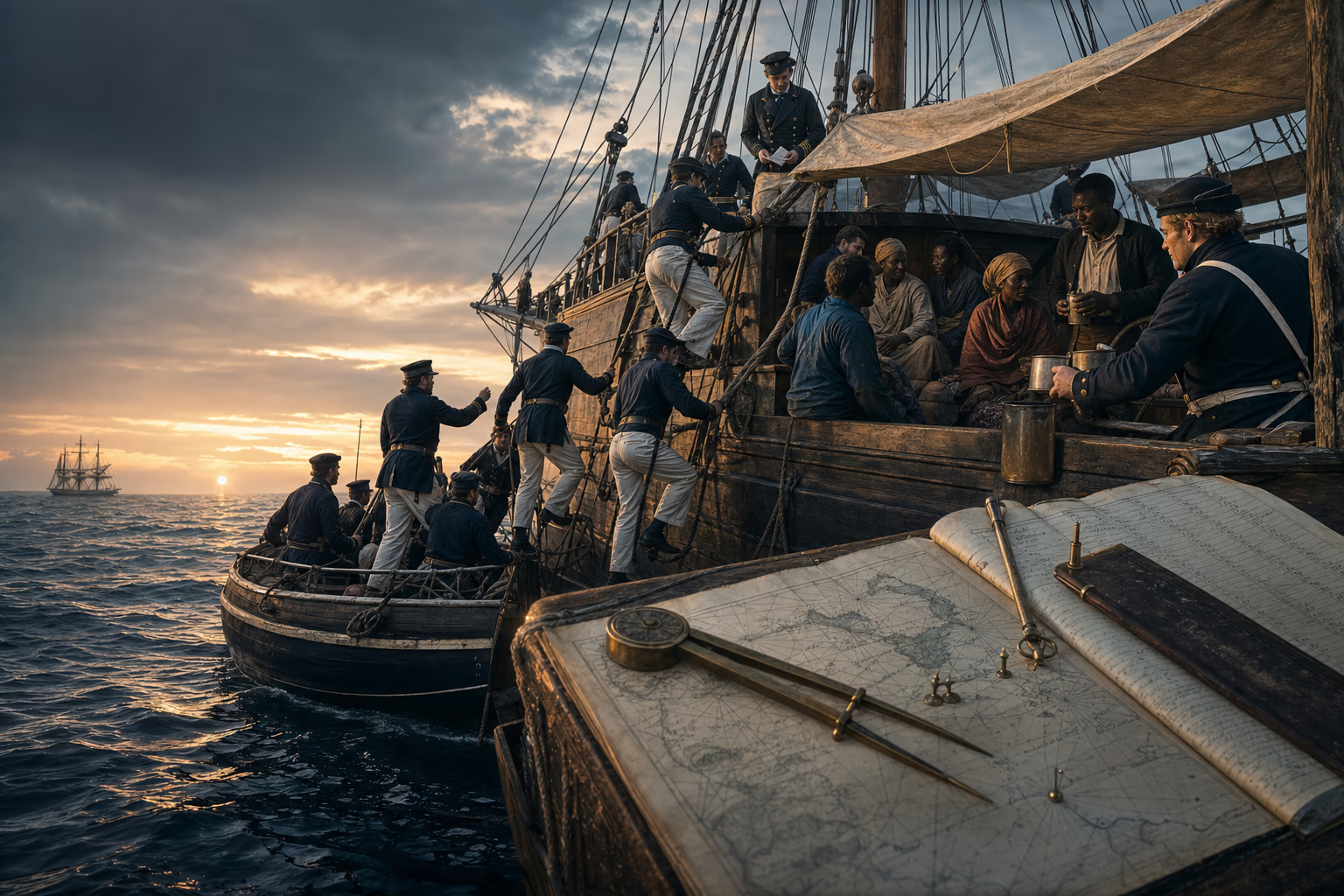
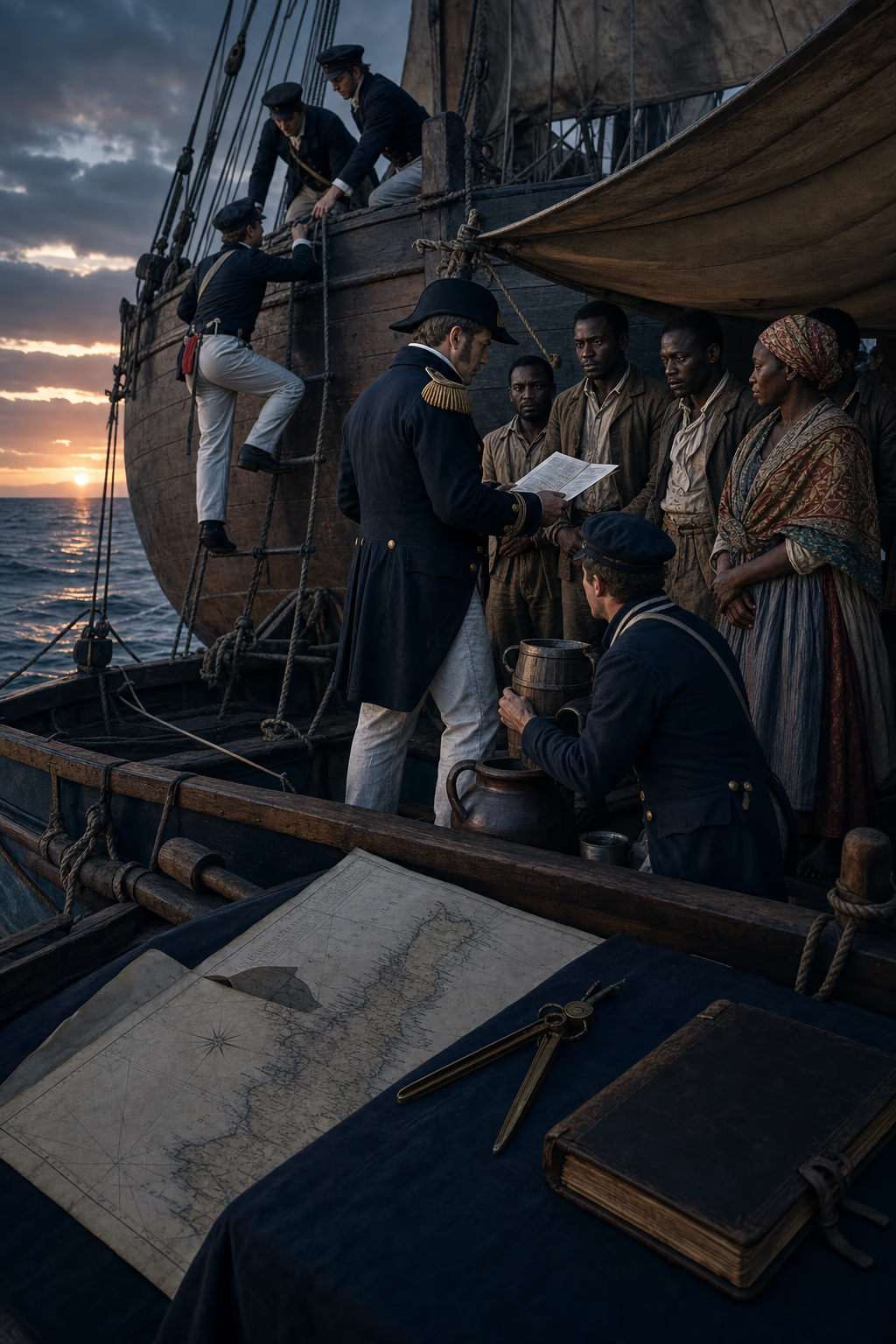
At first light, a Royal Navy boat pulled across the Atlantic swell toward a vessel that had altered course at the sight of a cruiser. Sailors climbed the side with pistols, cutlasses and written orders. Below deck they found enslaved captives whom the captain had tried to carry beyond British reach. After Parliament abolished the British slave trade in 1807, the West Africa Squadron made such pursuit a permanent duty. From bases including Freetown, its ships searched routes, examined papers, seized suspected slavers and carried captured vessels before courts empowered to condemn them.
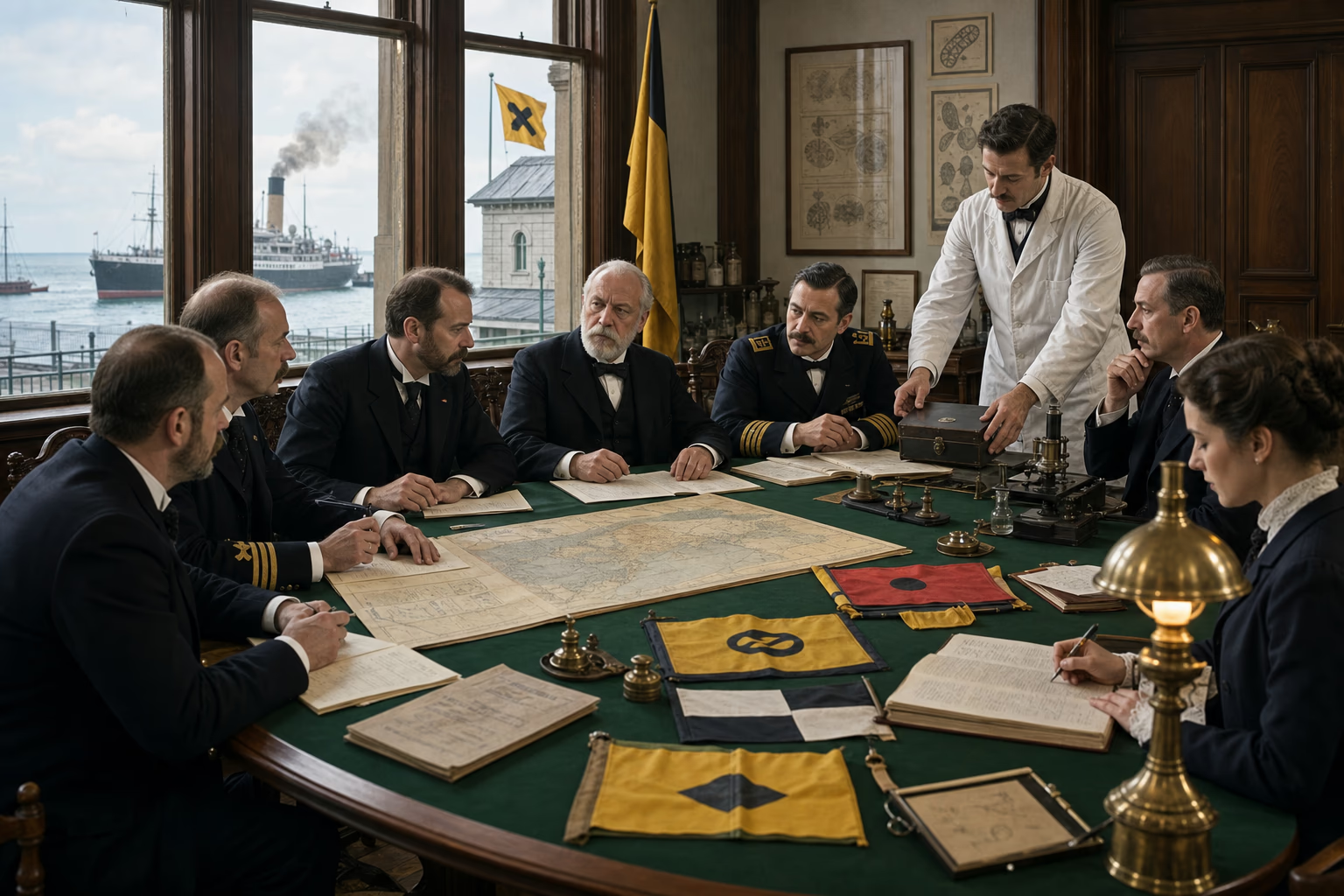
Naval strength alone could not make every seizure lawful. British ministers negotiated bilateral treaties granting rights of search, pressed allied and rival governments to prohibit the traffic, and established mixed commissions with foreign judges. The work was slow, dangerous and exacting. Slave traders changed flags, forged papers, built faster ships and shifted embarkation points; fever killed many patrol sailors, while armed crews sometimes resisted boarding. Every treaty widened the water on which a slaver could be stopped, and every condemned hull converted a moral prohibition into an enforceable rule of the sea.
Thousands of Africans taken from intercepted ships landed at Freetown and other ports instead of crossing the Atlantic into slavery. Plantations, credit and complicit governments kept the traffic alive, while naval pursuit made every continued voyage harder, costlier and less secure as abolition advanced through Brazil, Cuba and the wider Atlantic world. Europe’s most powerful navy had once guarded profitable movement. It now spent ships, money and lives to suppress one of the cruellest forms of commerce, proving that a principle proclaimed in Parliament could acquire reach far beyond Europe’s shore.
What survived
- The Royal Navy’s West Africa Squadron intercepted slave ships for more than half a century after British abolition of the trade, operating with Admiralty instructions and expanding treaty rights.
- Mixed-commission courts at Freetown and elsewhere adjudicated captured vessels and recorded Africans released from intercepted Atlantic crossings.
David Eltis (1987)Siân Rees (2009)