The Furnace Takes Coal
Abraham Darby’s coke-fired furnace broke ironmaking’s dependence on charcoal and joined Britain’s metal industry to the energy stored in its coal seams.
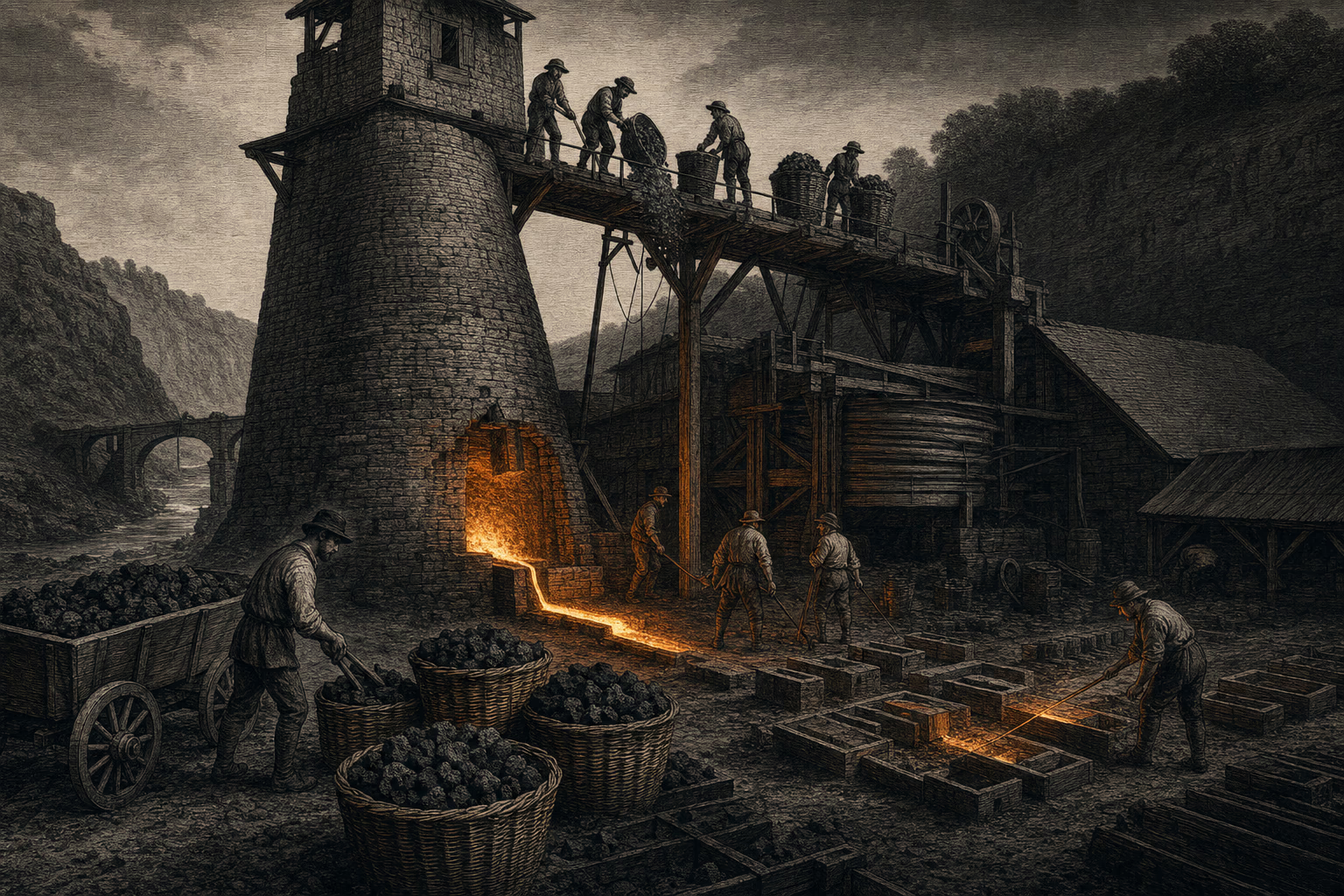
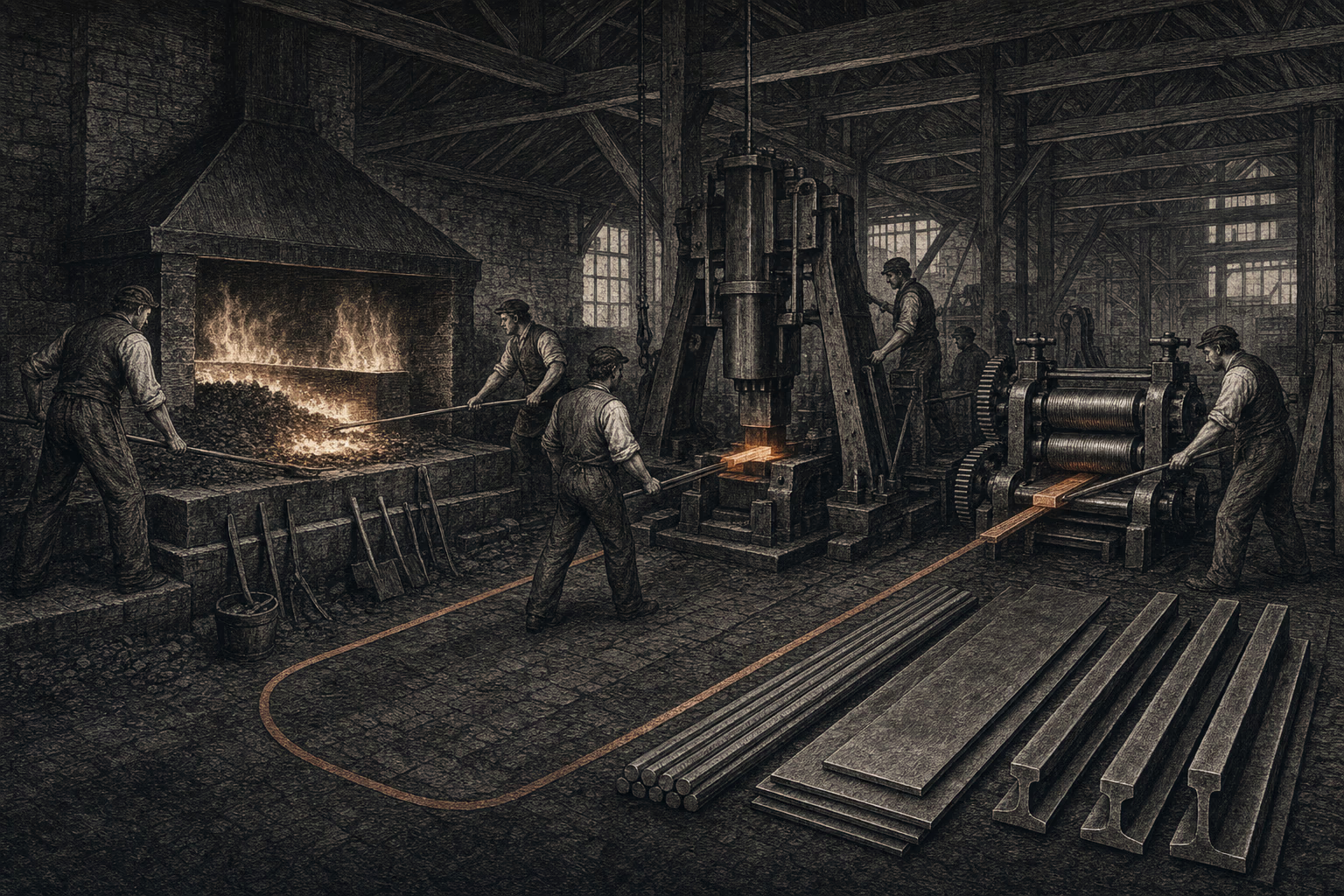
Coke baskets reached the charging floor at Coalbrookdale in 1709, beside iron ore and limestone. Abraham Darby I had taken over an old blast furnace in the Severn gorge and adapted knowledge acquired around malt kilns and metal casting to a stubborn ironmaking problem. Mineral coal carried impurities that damaged the charge; coke, produced by heating coal away from air, offered a cleaner, stronger and more porous fuel. Under a continuous blast it supported the weight of the furnace burden and supplied the heat needed to release liquid iron.
Darby’s first commercial advantage lay in cast goods, especially thin-walled pots made with moulding methods he had patented. The wider consequence appeared as the technique spread and improved. Charcoal tied every furnace to woodland that required years to regrow, and rising output competed for that acreage. Coke connected smelting instead to coalfields whose seams could feed many larger furnaces. Coalbrookdale also concentrated ore, limestone, waterpower, skilled founders and access to the Severn, so each difficulty could be answered within one working district.
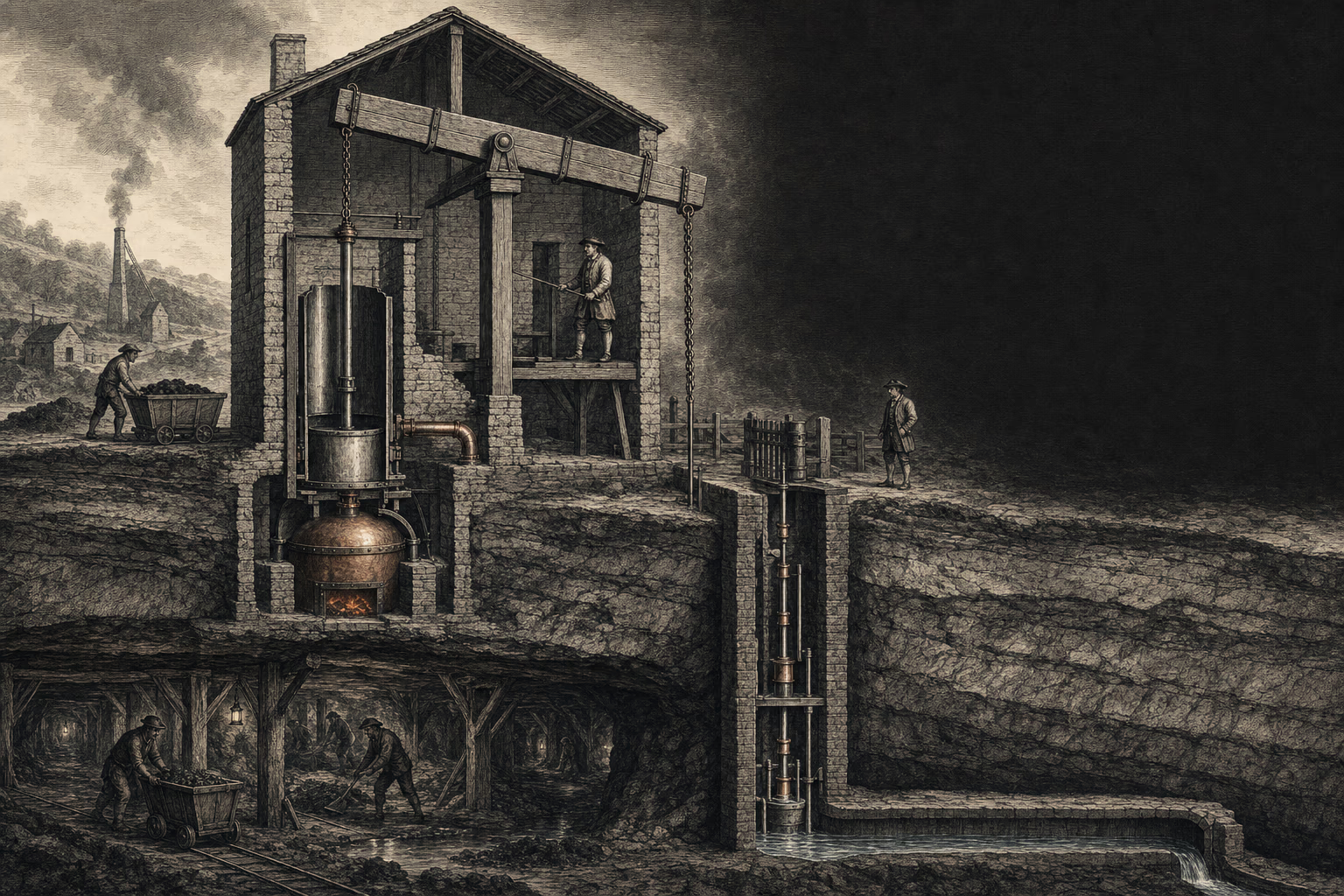
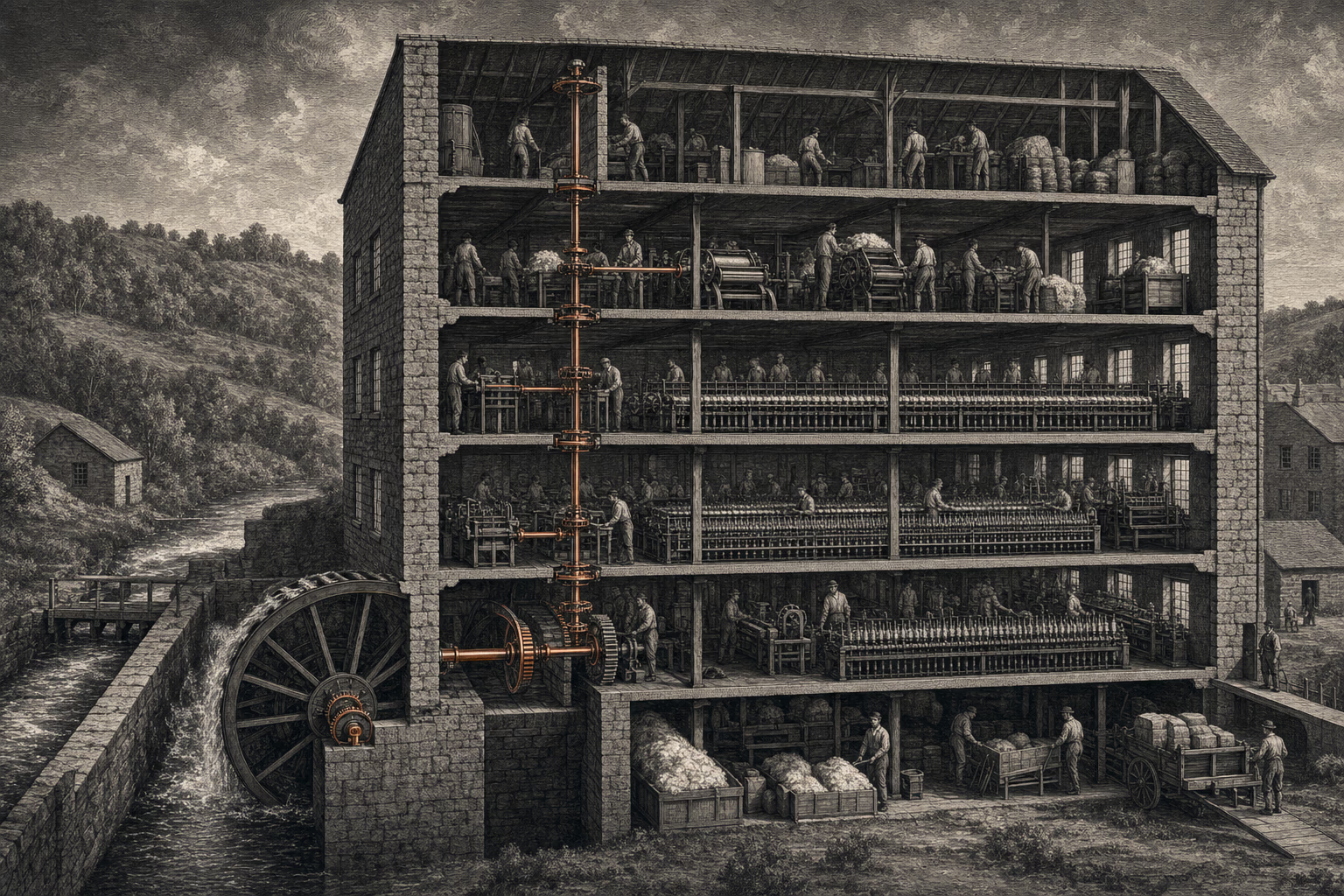
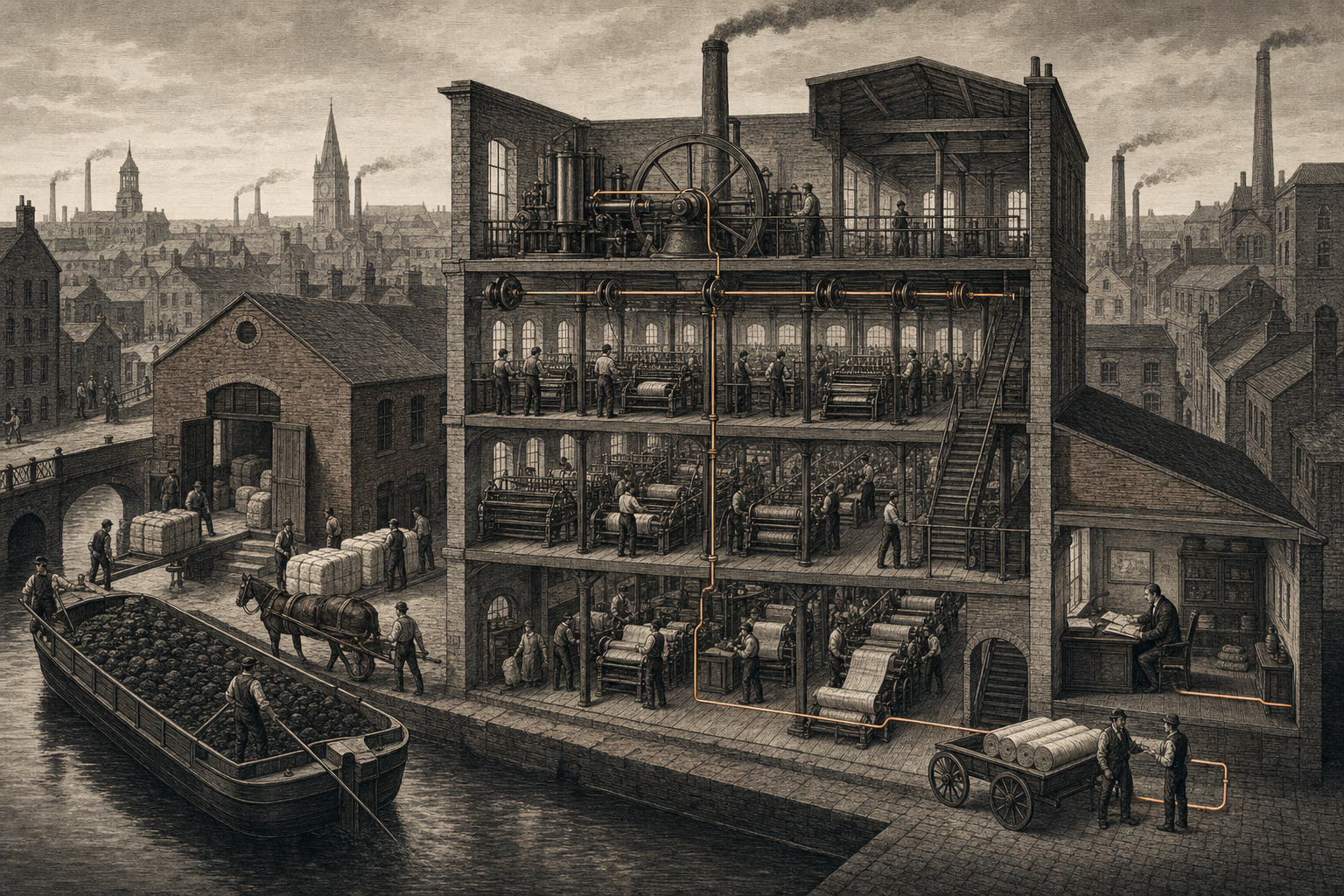
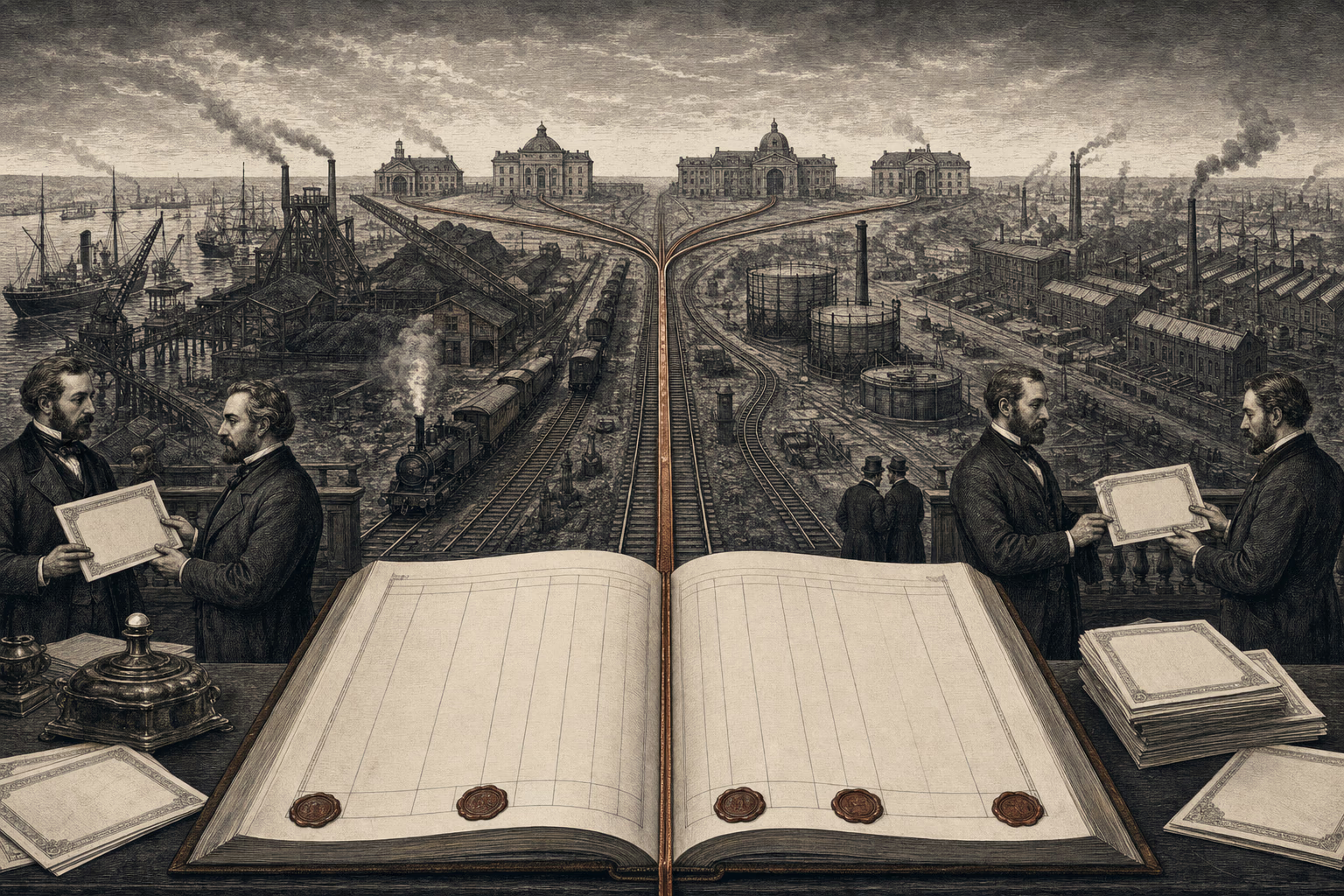
The substitution created demand for its own enlargement. Furnaces required coal; collieries required iron tools, rails, pumps and cylinders; better iron allowed engines and mines to reach greater scale. Coal did not enter industry as a solitary fuel waiting to be burned. European craft and enterprise made it part of a reinforcing material system. The first obstruction lay underground, where water collected in every deepening shaft and stopped miners before they could reach the next seam.
What survived
- The surviving Coalbrookdale furnace is the site where Abraham Darby I began smelting iron with coke in 1709.
- Coke ultimately released British iron output from the renewable but land-intensive charcoal supply and joined smelting to the expanding coal economy.
Robert C. Allen (2009)Joel Mokyr (2009)Ironbridge Gorge Museum Trust (1709)