The Marriage Is Forbidden
The Western Church made the lineage’s most useful marriages unlawful and placed an expanding circle of kin under ecclesiastical prohibition.
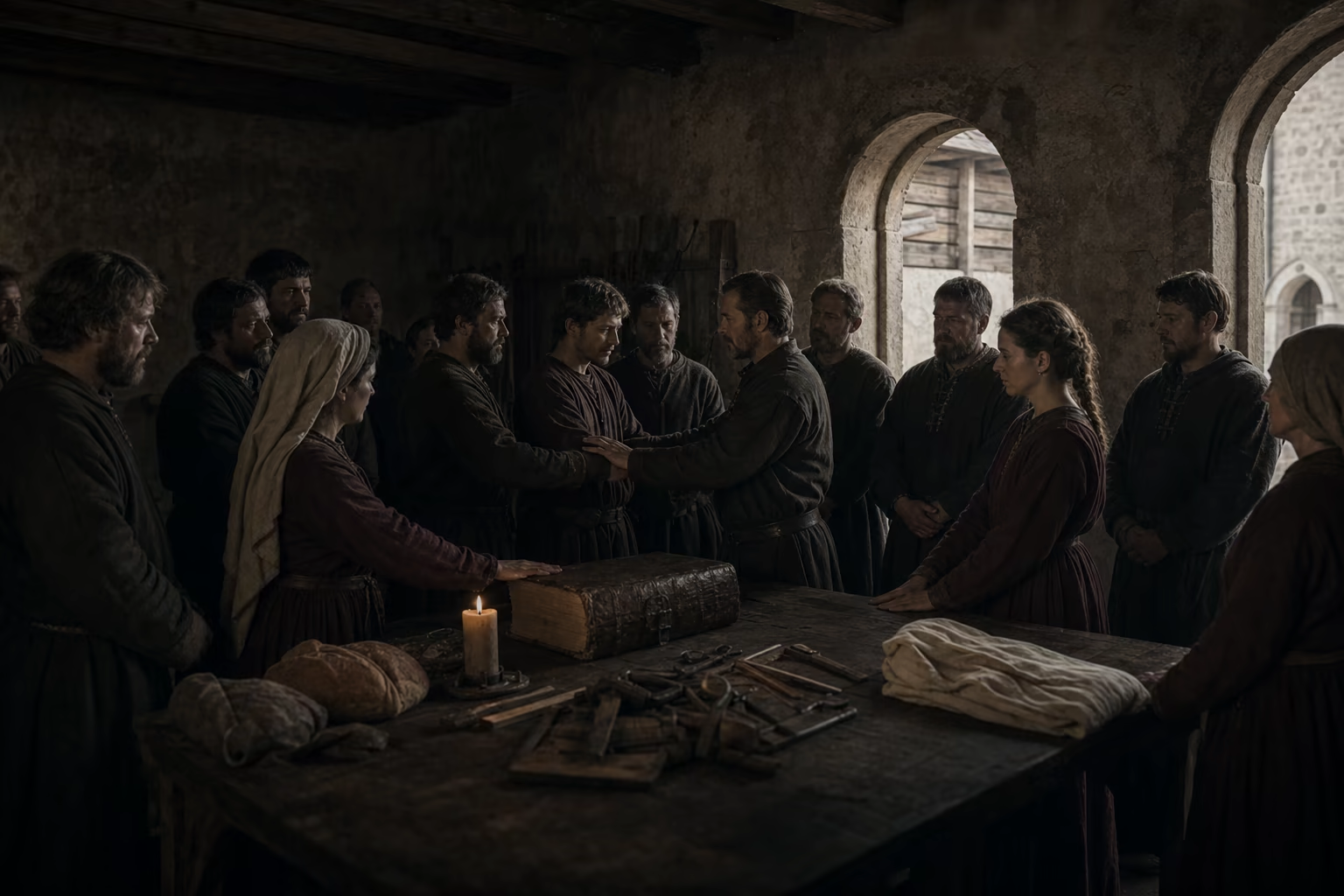
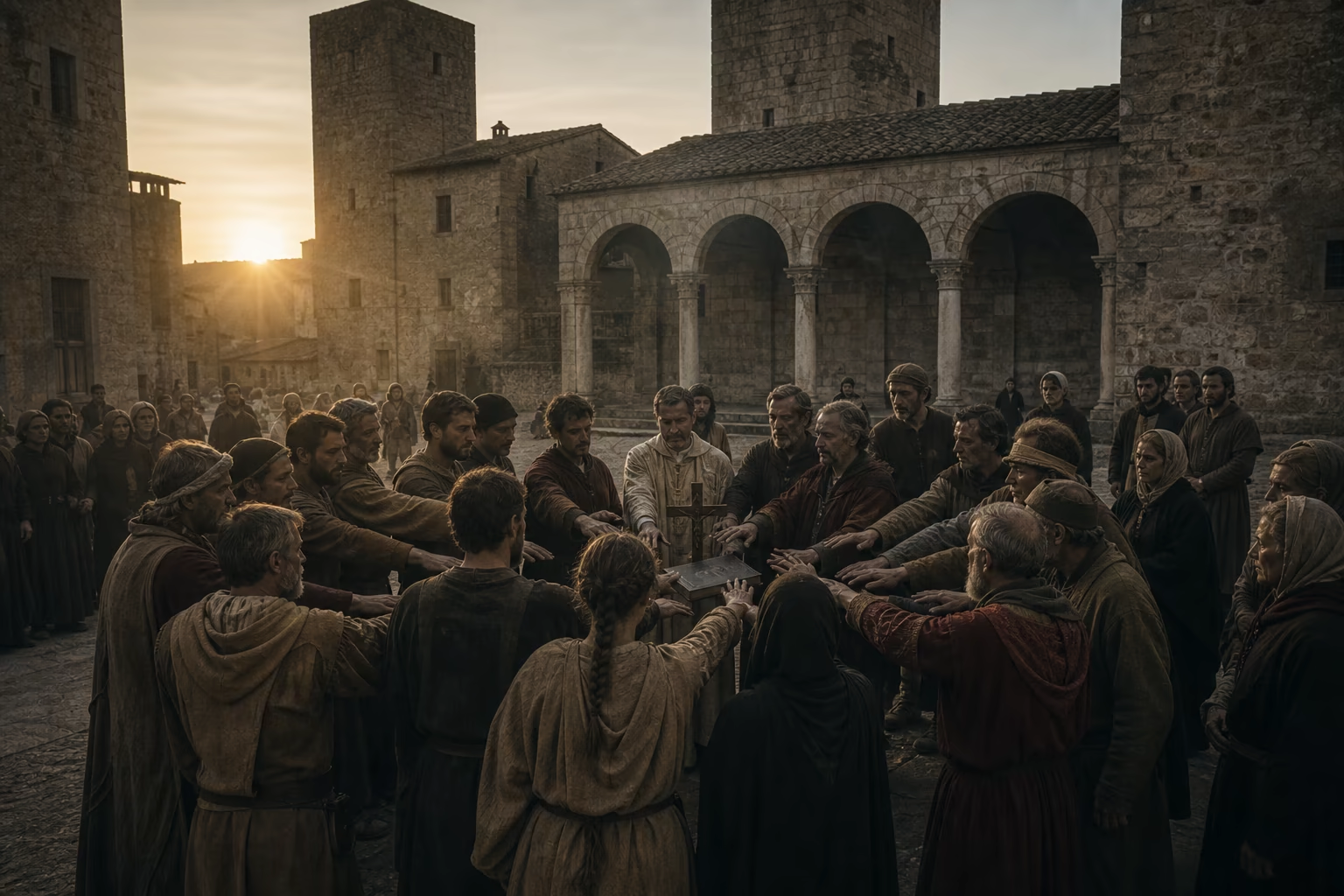
A marriage once kept land, protection and vengeance inside the lineage. A cousin was already known; a widow could be taken by her husband’s brother; an alliance could be renewed by marrying into the same household again. Such unions did more than join two people. They tightened a compact group in which property, obligation and authority travelled along remembered lines of blood.
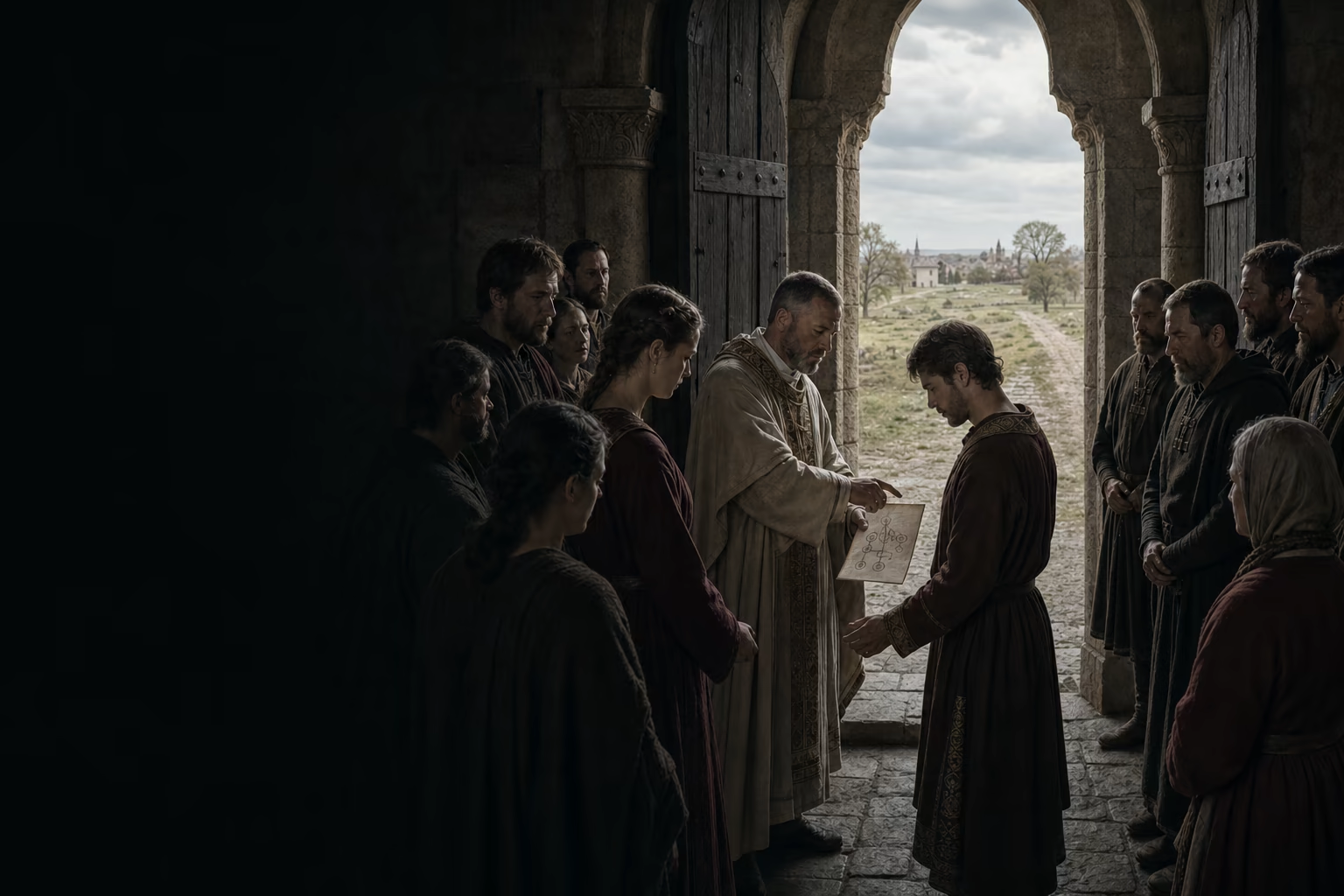
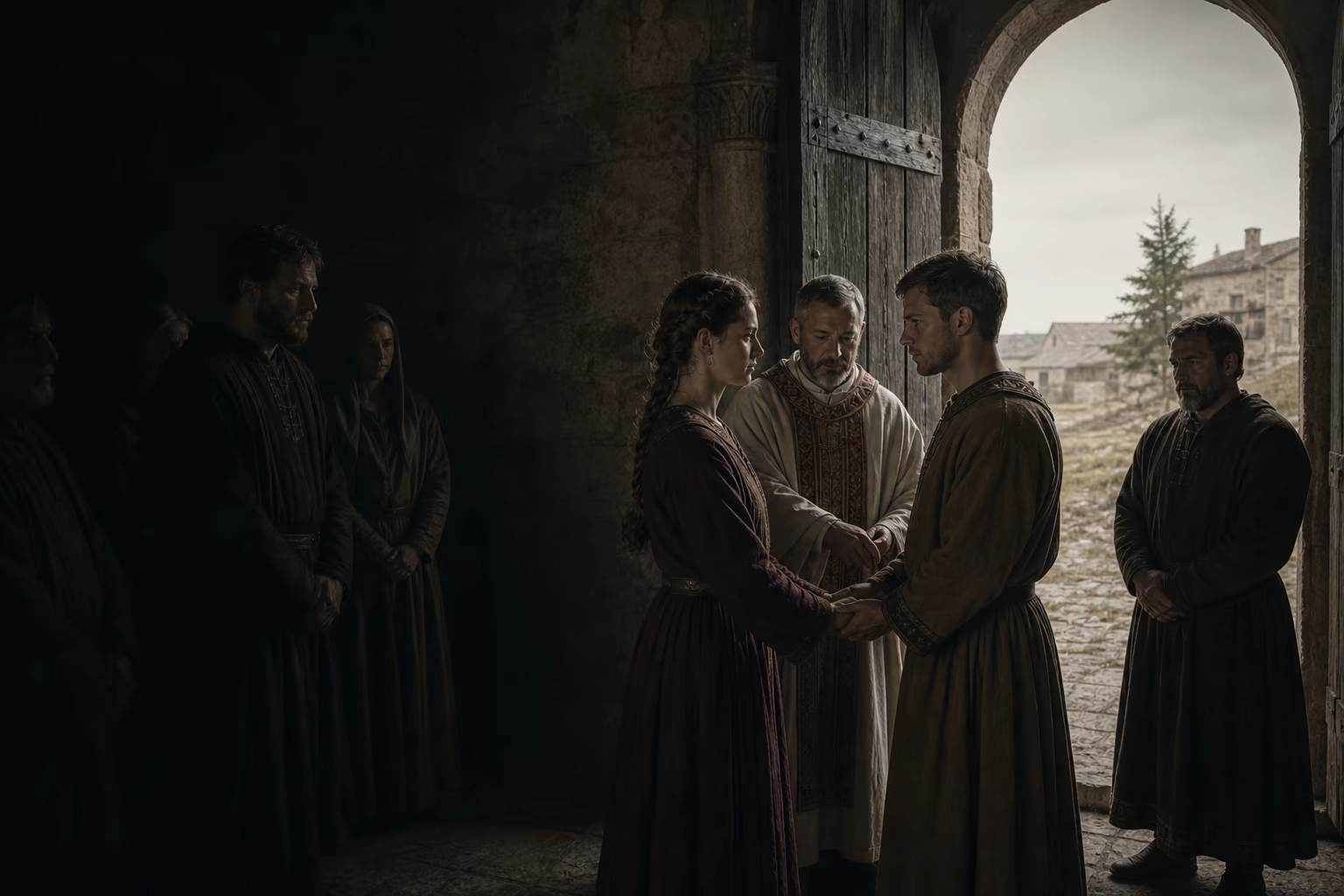
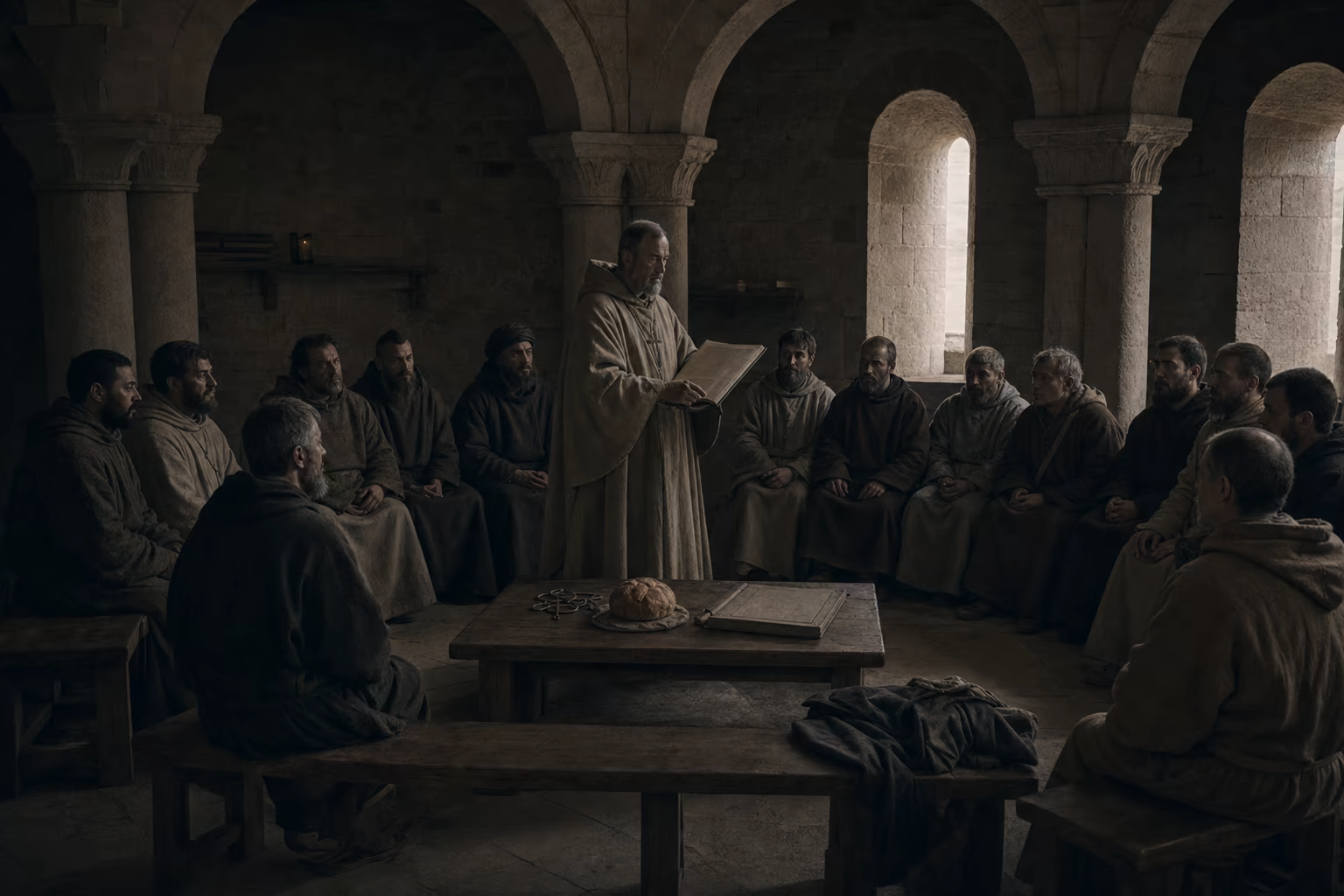
The Western Church entered that machinery and began to stop it. Councils, bishops and penitentials condemned unions between cousins, affines and step-relatives. Spiritual kin created by baptism could also bar a marriage. Levirate unions, polygyny and concubinage lost legitimacy. The prohibited circle widened so far that an elite family planning a match had to look beyond the people with whom it already shared ancestors, marriage ties and ritual kinship.
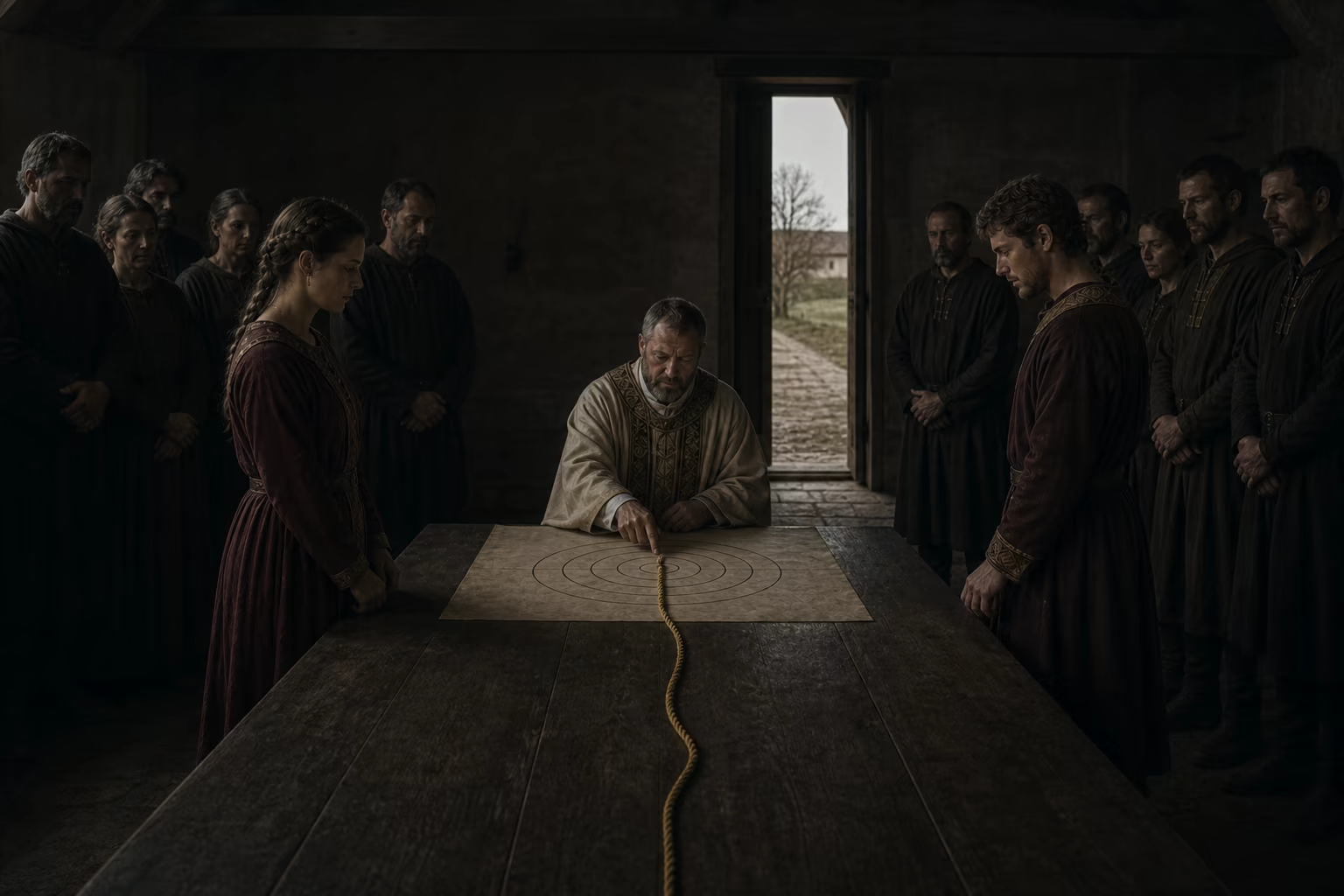
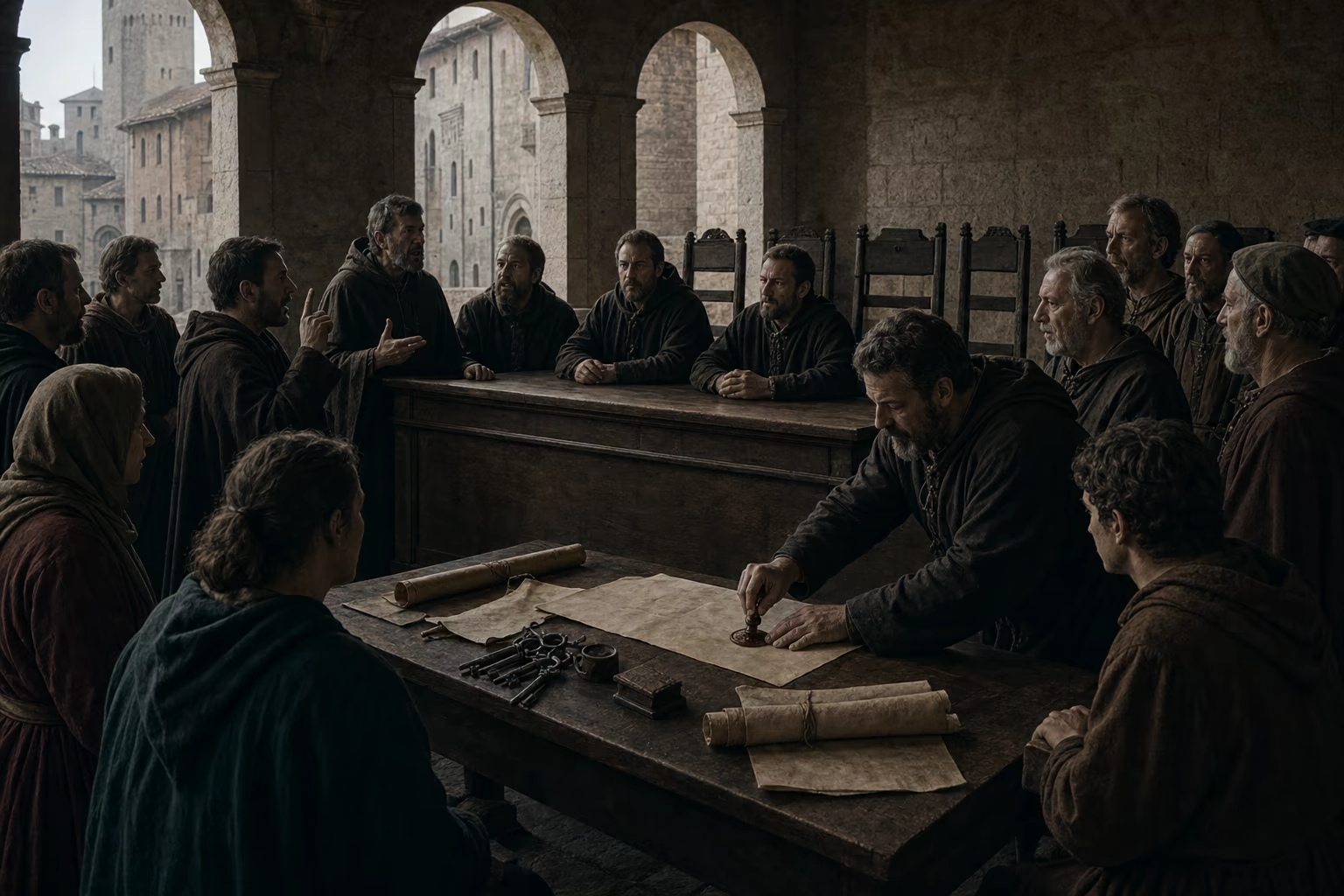
This was not private advice. A priest could refuse the threshold, a bishop could order separation, and rivals could challenge a union before an ecclesiastical court. Genealogy became a field the Church inspected. Every ruling compelled households to remember the boundary. Every forbidden match cut one path by which a lineage reproduced itself. Across generations, the old closed circuit—kin marrying kin, land returning to kin, protection staying with kin—became harder to maintain.
What survived
- Western conciliar canons and penitentials repeatedly name consanguinity, affinity, spiritual kinship and inherited marriage practices as forbidden unions.
- Ecclesiastical jurisdiction turned genealogy into evidence that could prevent a marriage or dissolve an unlawful one.
Jonathan F. Schulz et al. (2019)Joseph Henrich (2020)Jack Goody (1983)James A. Brundage (1987)